
%201.avif)
.avif)

How Long Does It Take to Build a Custom Home
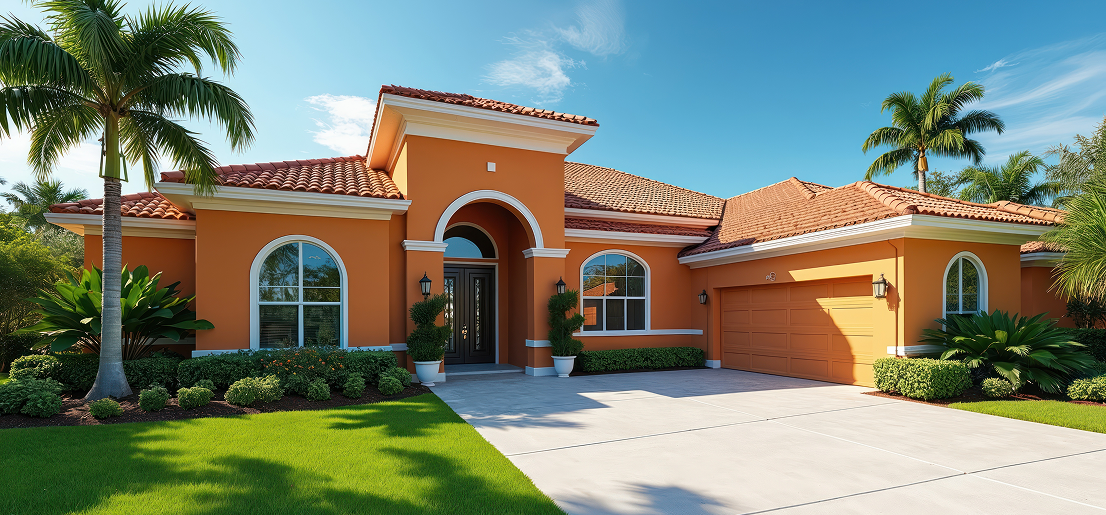
Building a custom home takes about 10 to 16 months from the start of construction to move-in day. When you add the design and pre-construction phase, the total timeline stretches to roughly 18 to 28 months from your very first meeting with an architect to the day you get your keys. According to the National Association of Home Builders (NAHB), the average single-family home took 9.1 months to complete in 2024 based on U.S. Census Bureau data, but custom homes with personalized designs, specialty materials, and detailed finishes consistently take longer than production homes.
In this article, we walk through every phase of the custom home building process, explain how long each step takes, cover the biggest factors that cause delays, and share practical tips to keep your project on track. Whether you are building a 1,500 square foot starter home or a 10,000 square foot estate, knowing what to expect at each stage helps you plan better and avoid surprises.
How Long Does the Custom Home Building Process Take From Start to Finish?
The custom home building process takes roughly 18 to 28 months from start to finish when you include both the design phase and the construction phase. The design and pre-construction phase typically takes 6 to 12 months. The actual construction phase takes another 10 to 16 months, depending on the size and complexity of the home.
These numbers are averages. A smaller, simpler custom home under 2,000 square feet can be finished in as little as 8 to 10 months of construction. A large, highly detailed home over 5,000 square feet can take 18 to 24 months or longer. According to U.S. Census Bureau data analyzed by the NAHB, homes built by owners (rather than production builders) had the longest timeline in 2024 at 15.1 months from permit to completion.
Understanding each phase and how long it takes gives you a realistic picture of when you will actually move in.
What Happens During the Design and Pre-Construction Phase?
During the design and pre-construction phase, you and your team lay the groundwork for everything that follows. This phase typically takes 6 to 12 months and includes several important steps.
Finding and Purchasing Land
Finding and purchasing land can take anywhere from a few weeks to several months, depending on availability and zoning regulations in your area. The lot you choose affects everything from the foundation type to the drainage plan. Before buying, you will need soil tests, surveys, and zoning verification to make sure the land can support your design. Skipping this step or rushing through it can cause expensive problems later.
Designing Your Home
Designing your home with an architect typically takes 4 to 6 months. During this time, you work through floor plans, elevations, material selections, and structural details. Custom homes require far more design time than production homes because every element is built around your specific needs and preferences. The more decisions you finalize during this stage, the fewer delays you will face during construction. According to KGA Architecture, the architectural design portion alone averages 4 to 6 months, not including permitting.
Getting Permits and Approvals
Getting permits and approvals from your local building department can take anywhere from a few weeks to several months. This is one of the most unpredictable parts of the timeline. As of spring 2025, the average number of days to approval for major residential permits in Denver is 271 days, or about 39 weeks, according to KGA Architecture. Some smaller municipalities process permits much faster, while areas recovering from natural disasters or experiencing rapid growth can have even longer backlogs. Nearly half of all single-family homes begin construction in the same month the permit is issued, according to the U.S. Census Bureau's Survey of Construction, but custom homes with unique designs often face longer review periods.
Selecting Your Builder
Selecting your builder is one of the most important decisions of the entire process. An experienced custom home builder who has worked in your area understands local building codes, has established relationships with subcontractors and suppliers, and can give you a realistic timeline based on actual conditions. Assembling your team early, including the architect, builder, and interior designer, is one of the best things you can do to prevent delays later.
What Happens During the Construction Phase?
The construction phase is where your home physically comes to life. This phase typically takes 10 to 16 months for a custom home. Here is how the major stages break down.
Site Preparation and Foundation
Site preparation and foundation work typically takes 1 to 2 months. This includes clearing the land, grading, excavation, pouring the foundation, and passing the foundation inspection. The type of foundation you choose matters. A concrete slab is the fastest to complete, while a full basement takes longer because of the excavation, forming, and waterproofing involved. Poor soil conditions or rocky terrain can also add time and cost to this stage.
Framing
Framing takes about 1 to 2 months and is one of the most visible stages of construction. This is when the walls, roof trusses, and support beams go up. After framing, you can see the actual shape and size of your home for the first time. Framing inspections must pass before the next stage can begin. Larger homes with complex rooflines, vaulted ceilings, or multiple stories take longer to frame than simple, rectangular floor plans.
Mechanical Systems
Installing the mechanical systems, including HVAC, plumbing, and electrical, takes about 1 to 2 months. This work cannot start until the home is framed and weather-tight. Each system requires its own set of inspections, and all rough-in work must be approved before walls can be closed up. Coordination between multiple trade crews during this phase is critical. Delays here often happen when one trade falls behind and creates a bottleneck for the others.
Insulation and Drywall
Insulation and drywall take about 1 to 2 months. Insulation goes in after the mechanical rough-in is complete and inspected. Drywall is then hung, taped, mudded, and sanded. This stage transforms the framed skeleton into rooms that start to look like a real home. It takes multiple rounds of mudding and sanding to get a smooth finish, so rushing this step is not a good idea.
Interior Finishes
Interior finishes take about 2 to 4 months and include flooring, cabinetry, countertops, trim work, painting, tile, fixtures, and hardware. This is the most detail-intensive stage of construction and one of the most common places where delays happen. Back-ordered windows, cabinets, or specialty fixtures can push the timeline. The NAHB's 2024 Construction Cost Survey found that 64.4% of the final home sales price is attributable to construction costs, and a large portion of that goes toward interior finishes and materials.
Exterior Finishes
Exterior finishes, including siding, brick, stucco, roofing, gutters, and trim, typically take 1 to 2 months. The timeline depends on the materials you choose and the complexity of the exterior design. Stone or brick exteriors take longer than vinyl siding. Weather can also affect this stage, especially in regions with harsh winters or extended rainy seasons.
Final Inspections and Walkthrough
Final inspections and walkthroughs take 2 to 4 weeks. Your builder and local authorities will conduct multiple inspections to verify that all work meets safety and building code standards. After the final inspection, your builder will do a walkthrough with you to identify any last touch-ups or corrections needed before you move in. This is called a "punch list," and it covers small items like paint touch-ups, hardware adjustments, or minor cosmetic fixes.
Custom Home Construction Timeline by Home Size
Sources: NAHB, U.S. Census Bureau Survey of Construction, KGA Architecture, Trinity Homes Custom Home Data
What Factors Cause Delays When Building a Custom Home?
The factors that cause delays when building a custom home include weather, permit backlogs, material shortages, labor availability, design changes during construction, and site conditions. Each one can add weeks or months to your timeline.
Weather and Seasonal Conditions
Weather is one of the most unpredictable factors in home construction. Heavy rain, snow, freezing temperatures, and extreme heat can all stop work on critical stages like foundation pouring, framing, and exterior finishes. Regions with harsh winters see seasonal construction schedules where builders start in spring or summer to avoid the worst weather. Planning your construction start date around your local climate is one of the simplest ways to avoid weather delays.
Material Shortages and Supply Chain Issues
Material shortages can slow progress significantly. In recent years, global supply chain disruptions have had a noticeable impact on build times. The AGC reported that steel mill product prices were 8.8% higher in July 2025 than the year before, and lumber prices remain above pre-pandemic levels. Back-ordered windows, appliances, and specialty fixtures are common causes of interior finish delays. Many experienced builders now pre-order long-lead-time materials early in the process to stay ahead of shortages.
Labor Shortages
The construction industry faces a persistent labor shortage. The Associated Builders and Contractors (ABC) estimated the industry needed 439,000 additional workers in 2025 just to keep up with demand. A 2025 survey from the AGC and NCCER found that 92% of construction firms are having a hard time filling open positions. When subcontractors are stretched thin, scheduling becomes a challenge. The HBI and NAHB found that the skilled labor shortage increased average construction times by 1.98 months nationwide, with smaller builders seeing even greater delays.
Design Changes During Construction
Design changes during construction are one of the most common, and most avoidable, causes of delay. Adding new features, changing materials, or altering layouts once construction is underway can trigger redesigns, new permit reviews, reordering materials, and rework by trade crews. Every change order adds time and cost. The best way to prevent this is to finalize all design elements before construction begins and stick to those decisions.
Permit and Inspection Delays
Permit and inspection delays are largely outside your control but can add significant time. Some jurisdictions process permits in a few weeks; others take months. Custom homes with unique designs or homes in areas with strict zoning regulations face longer review periods. Throughout construction, multiple inspections must be completed at each stage before work can continue, and re-inspections for corrections can cause short delays.
How Long Does It Take to Build a Custom Home Compared to Other Home Types?
It takes longer to build a custom home compared to other home types because every element is designed and built from scratch. Semi-custom homes take about 6 to 12 months of construction because they start with a base plan that gets modified. Production (spec) homes can be completed in as little as 4 to 6 months because they follow standardized blueprints and use pre-selected materials.
According to U.S. Census Bureau data, homes built for sale by production builders in new-construction communities took an average of just 7.6 months from permit to completion in 2024. Contractor-built homes averaged about 9 months. Owner-built homes (which include most custom projects) averaged 15.1 months. The extra time for custom homes comes from the detailed craftsmanship, unique material selections, and the higher level of coordination required between specialized trades.
How Does Location Affect the Timeline for Building a Custom Home?
Location affects the timeline for building a custom home because different regions have different permitting speeds, weather patterns, labor availability, and building code requirements.
According to the NAHB's analysis of Census Bureau data, the division with the longest average build time in 2024 was the Middle Atlantic at 13.7 months, followed by New England at 13.1 months. The Pacific division averaged 10.8 months. Southern states with milder climates and fewer weather interruptions tend to have shorter construction timelines. Rural areas may have easier permitting but limited access to skilled labor and materials, which can offset the time savings. Urban areas often have more complex zoning and permitting requirements but easier access to trade crews and supply chains.
How Can You Speed Up the Custom Home Building Process?
You can speed up the custom home building process by making decisions early, hiring an experienced local builder, pre-ordering materials, and avoiding changes once construction starts.
Here are the most effective strategies:
Finalize all design decisions before breaking ground. Choosing your cabinets, tile, hardware, lighting, and fixtures before framing begins prevents delays during the interior finish stage. Every decision you push to later in the process creates a potential bottleneck.
Hire an experienced local builder. A builder who knows your area understands local permitting processes, has reliable subcontractor relationships, and can anticipate region-specific challenges like soil conditions or weather patterns. This knowledge prevents avoidable delays.
Pre-order long-lead-time materials. Windows, custom cabinetry, specialty stone, and certain appliances can have lead times of 8 to 16 weeks or longer. Ordering these items early in the design phase keeps them from holding up the project later.
Avoid change orders during construction. Every change during construction triggers a chain reaction of redesign, re-pricing, re-ordering, and rescheduling. Limiting changes to the design phase saves time and money.
Build a realistic buffer into your timeline. Adding 2 to 4 weeks of buffer time to your expected completion date accounts for minor weather delays, inspection scheduling, and other small setbacks that are normal in construction.
Communicate regularly with your builder. Short, weekly check-ins prevent small issues from becoming schedule problems. Staying involved and responsive when decisions or approvals are needed keeps the project moving.
Frequently Asked Questions
Can You Build a Custom Home in 6 Months?
You generally cannot build a custom home in 6 months. Custom homes require 10 to 16 months of construction on average because of their unique designs, specialty materials, and detailed finishes. A very small, simple custom home with minimal customization might come close to 8 months under ideal conditions, but 6 months is realistic only for production homes with standardized plans.
Is It Faster to Buy or Build a Home?
It is faster to buy an existing home than to build a custom home. Buying an existing home can be completed in 30 to 60 days after an accepted offer. Building a custom home takes 18 to 28 months from design to move-in. However, building gives you complete control over the layout, finishes, and features, which is why many homeowners choose to wait for a custom build.
What Stage of Home Construction Takes the Longest?
The stage of home construction that takes the longest is interior finishes, which can take 2 to 4 months. This stage includes flooring, cabinetry, countertops, trim work, painting, tile, and fixture installation. It involves the most individual decisions and the most coordination between trade crews. Material delays during this stage are also common.
Do Custom Homes Cost More to Build Than Production Homes?
Yes, custom homes cost more to build than production homes. Production builders achieve lower per-square-foot costs through volume purchasing, standardized designs, and efficient construction schedules. Custom homes have higher costs because of unique architectural plans, individually selected materials, specialty craftsmanship, and longer construction timelines. According to the NAHB's 2024 Construction Cost Survey, the average single-family home sales price was $665,298, with construction costs accounting for 64.4% of that total.
What Is the Best Time of Year to Start Building a Custom Home?
The best time of year to start building a custom home is late winter or early spring. Starting in this window allows the foundation and framing work to happen during the driest, most temperate months, and puts the interior finish work during fall and early winter when weather is less of a factor. In regions with mild year-round climates, the start date matters less, but avoiding the peak of summer heat or winter freezing is always a good idea.
How Long Does It Take to Build a 3,000 Square Foot Custom Home?
A 3,000 square foot custom home takes about 10 to 14 months to build once construction begins. Add another 6 to 12 months for the design and pre-construction phase, and the total timeline from first meeting to move-in is roughly 16 to 26 months. The complexity of the design, material availability, and local permitting speed all affect where your project falls within that range.
Putting It All Together
Building a custom home is a significant commitment of time, money, and decision-making. The typical timeline runs 18 to 28 months from your first design meeting to move-in day, with 6 to 12 months in design and pre-construction and another 10 to 16 months of actual building. Larger, more complex homes take longer. Smaller, simpler designs move faster.
The biggest things you can do to stay on schedule are making all your design decisions before construction starts, hiring an experienced local builder, pre-ordering long-lead-time materials, and avoiding changes once the build is underway. Weather, permit backlogs, and labor shortages are outside your control, but good planning and steady communication with your builder minimize their impact.
Take the time to plan well, and the finished home will be worth every month you invested in the process.




.avif)


.avif)
.avif)
.avif)