
%201.avif)
.avif)

What Is a Tenant Improvement Allowance
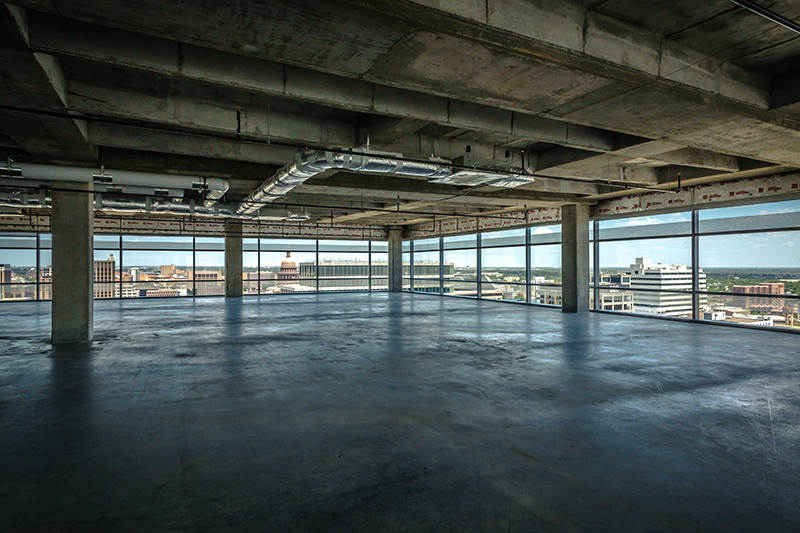
A tenant improvement allowance is a pre-negotiated sum of money that a landlord provides to a tenant to cover the cost of customizing a leased commercial space. The allowance is typically expressed as a dollar amount per rentable square foot and is written directly into the lease agreement. Tenant improvement allowances apply to office, retail, restaurant, industrial, and hospitality properties where the space needs modification before a business can move in and operate. This article explains how tenant improvement allowances work, what they cover, how much is typical, how to calculate and negotiate one, who owns the improvements, and how the allowance affects lease economics for both tenants and landlords.
What Is a Tenant Improvement Allowance and Why Does It Matter in Commercial Leasing
A tenant improvement allowance (TIA) is a dollar amount per square foot that a landlord contributes toward the cost of building out or renovating a leased commercial space for the tenant's specific business needs. The allowance is sometimes abbreviated as TI, TA, or TIA, and it appears as a negotiated line item in the lease agreement. The landlord funds the allowance as a concession to attract or retain tenants, and the tenant uses the funds to customize the interior of the space.
Tenant improvement allowances play a central role in commercial construction and leasing because most commercial spaces are delivered in shell condition or with a previous tenant's layout still in place. A law firm needs private offices and a conference room. A medical practice needs exam rooms and specialized plumbing. A restaurant needs a commercial kitchen and exhaust system. The TIA bridges the gap between how the space exists and how the tenant needs it to function.
According to data from Regent Commercial Real Estate and industry benchmarks, average tenant improvement allowances across commercial property types range from $20 to $60 per square foot. That range shifts significantly based on market conditions, lease length, property type, and the tenant's creditworthiness. In competitive markets with elevated vacancy rates, landlords offer larger allowances to fill space. According to Moody's Analytics, U.S. office vacancy reached a record 20.6% in the second quarter of 2025, giving tenants in many markets stronger leverage to negotiate higher TIA amounts.
How Does a Tenant Improvement Allowance Work
A tenant improvement allowance works as a financial concession built into the lease, where the landlord commits a set dollar amount per square foot toward the tenant's build-out costs. The allowance is not free money. The landlord recoups the TIA through the base rent over the life of the lease, which is why higher TIA amounts often correlate with higher rental rates or longer lease commitments.
The most common payment structure is reimbursement. The tenant hires a tenant improvement contractor, pays for construction as the work progresses, and then submits invoices to the landlord for reimbursement up to the agreed allowance amount. Some landlords require final lien waivers, a certificate of occupancy, or proof that the tenant has opened for business before releasing funds.
An alternative structure is direct payment, where the landlord pays the contractors directly as work is completed. This protects the tenant's cash flow but reduces flexibility in choosing vendors. Some leases use a hybrid model where the landlord pays large-ticket items like HVAC and electrical directly while the tenant handles smaller items through reimbursement.
The TIA represents a maximum contribution. If the landlord offers $40 per square foot on a 3,000 square foot space, the total allowance is $120,000. If the tenant's build-out costs only $35 per square foot ($105,000), the remaining $15,000 is typically forfeited unless the lease specifically allows the unused portion to be applied to rent or other expenses. The right way to evaluate a TIA is not as a standalone number but as one component of total occupancy cost over the lease term, alongside base rent, escalations, operating expenses, and any free rent periods.
What Is an Example of a Tenant Improvement Allowance
An example of a tenant improvement allowance is a landlord offering $45 per rentable square foot on a 5,000 square foot office lease with a seven-year term. That allowance totals $225,000 in landlord-funded build-out budget. The tenant's architect and contractor estimate the full build-out at $62 per square foot ($310,000), which includes new walls and doors, flooring, ceiling grid, lighting, HVAC distribution, electrical, data cabling, and paint. The $85,000 gap between the allowance and the actual cost is the tenant's out-of-pocket responsibility.
During negotiation, the tenant offers to extend the lease to nine years and accept 3% annual rent escalations in exchange for a higher TIA of $55 per square foot ($275,000). The landlord agrees because the additional two years of rent income more than covers the incremental $50,000 in TIA. The tenant's gap drops from $85,000 to $35,000, and both parties benefit from the longer commitment.
What Does a Tenant Improvement Allowance Cover
A tenant improvement allowance covers the construction-related costs needed to prepare a leased space for the tenant's business operations. These costs fall into two categories: hard costs and soft costs.
Hard costs are the physical construction expenses that make up the largest portion of any build-out budget. According to market data compiled by Burnette Co., hard costs typically account for 60% to 75% of total tenant improvement expenses. Common hard costs covered by a TIA include:
- Interior wall construction, framing, and drywall installation
- Flooring materials and installation (carpet, tile, hardwood, polished concrete)
- Ceiling grid systems, acoustic tiles, and decorative ceiling treatments
- Electrical wiring, outlets, panel upgrades, and light fixtures
- HVAC distribution, ductwork modifications, and thermostat zoning
- Plumbing for restrooms, kitchens, break rooms, and specialized uses
- Doors, hardware, and interior glass partitions
- Paint and wall finishes throughout the space
Soft costs are the professional and administrative fees that support the construction process. Industry benchmarks from Zogby indicate that soft costs typically add 5% to 12% of total construction cost. Common soft costs include architectural drawings, engineering fees, permit fees, and project management fees. Some landlords fund soft costs through the TIA while others cap or exclude them, so the lease language matters.
Businesses leasing space for office buildouts use TIA funds for conference rooms, private offices, reception areas, server rooms, and break rooms. Retail tenants use the funds for storefront modifications, display lighting, and customer-facing finishes.
What Does a Tenant Improvement Allowance Not Cover
A tenant improvement allowance does not cover items that the tenant would take with them at the end of the lease or items that serve only the tenant's specific operations without adding lasting value to the property. Common exclusions include:
- Furniture, fixtures, and equipment (FF&E) that are not permanently attached to the building
- IT infrastructure, data cabling, phone systems, and security systems
- Signage and branding elements
- Moving expenses and relocation costs
- Point-of-sale systems, kitchen equipment, and specialized machinery
- Operating expenses like utilities and cleaning
The distinction is straightforward: if the improvement stays with the building and benefits the landlord or future tenants, the TIA typically covers it. If the improvement is removable, tenant-specific, or non-structural, it falls outside the allowance. The lease's work letter should spell out exactly which costs qualify and which do not.
What Is the Difference Between Hard Costs and Soft Costs in Tenant Improvements
The difference between hard costs and soft costs in tenant improvements is what the money pays for. Hard costs pay for physical construction, the labor and materials that become part of the building. Soft costs pay for the professional services and administrative fees that support the construction process without producing a physical result.
According to California market data compiled by Burnette Co., labor alone represents 40% to 60% of total tenant improvement hard costs in major metropolitan markets. Material costs for items like drywall, flooring, electrical fixtures, and plumbing components make up the remainder. Soft costs, including architectural design, engineering, permitting, and inspections, typically add 5% to 12% on top of the hard cost total. Understanding this split helps tenants budget accurately before signing a lease and prevents the surprise of discovering that their $40-per-square-foot allowance does not stretch as far as they expected once soft costs are factored in.
How Much Is a Typical Tenant Improvement Allowance
A typical tenant improvement allowance ranges from $20 to $80 per square foot for most commercial property types, according to data from Bowser Construction Group and industry benchmarks. The actual amount varies significantly based on the property type, geographic market, lease term, building condition, and the tenant's financial strength.
Property TypeTypical TIA Range ($/SF)TIA as % of Annual RentBuild-Out Cost Range ($/SF)Office (Basic)$20 - $505% - 10%$30 - $80Office (High-End)$50 - $10010% - 20%$80 - $150+Retail$10 - $6010% - 20%$40 - $200Restaurant$50 - $100+15% - 25%$100 - $500Industrial$10 - $455% - 10%$20 - $60Medical/Dental$50 - $10015% - 25%$100 - $200
Sources: The Cauble Group (2026 CRE broker data), RSMeans 2025, JLL Office TI Benchmarks, Zogby Industry Data, Commercial Real Estate Loans, Bowser Construction Group
Several factors push the allowance higher or lower. Class A buildings in prime locations command higher rents, which supports larger TIA budgets. Spaces delivered as raw shell (concrete floors, exposed ceilings, no interior walls) require substantially more build-out investment than second-generation spaces that already have walls, ceilings, and basic systems in place. According to market data from Bhumi Calculator, second-generation spaces save $20 to $40 per square foot compared to raw shell buildouts.
For restaurant builds, the TIA often covers only a fraction of the total build-out cost because commercial kitchens, exhaust systems, grease traps, and specialized plumbing drive costs well above $100 per square foot. The Cauble Group reports 2026 restaurant TIA ranges starting at $100 per square foot and climbing significantly from there.
How Is a Tenant Improvement Allowance Calculated
A tenant improvement allowance is calculated by multiplying the agreed-upon per-square-foot rate by the total rentable square footage of the leased space. The per-square-foot rate is the negotiated number that appears in the lease agreement. The calculation itself is simple, but the negotiation behind that rate involves multiple variables.
- Determine the total rentable square footage. This number comes from the lease or letter of intent. Rentable square footage (RSF) includes the tenant's usable space plus a proportionate share of common areas like lobbies and hallways. RSF is always larger than usable square footage.
- Negotiate the per-square-foot TIA rate. This rate depends on market conditions, lease term, property type, building condition, and tenant creditworthiness. Research comparable deals in the same market and property class to establish a baseline.
- Multiply the rate by the square footage. A $45/SF allowance on 4,000 RSF produces a total TIA of $180,000. This is the maximum the landlord will contribute toward the build-out.
- Compare the TIA to estimated build-out costs. Get contractor bids or use industry benchmarks to estimate total build-out costs. If the build-out estimate is $65/SF ($260,000) and the TIA is $45/SF ($180,000), the tenant's out-of-pocket gap is $80,000.
- Evaluate total occupancy cost. Factor the TIA into the full lease economics: base rent, annual escalations, operating expenses, free rent periods, and the out-of-pocket gap. The goal is the lowest total occupancy cost over the lease term, not the highest TIA number in isolation.
Understanding construction costs at a per-square-foot level gives tenants the data they need to negotiate from an informed position. Without a realistic build-out estimate, tenants cannot evaluate whether a landlord's TIA offer covers their actual needs.
How to Negotiate a Tenant Improvement Allowance
Negotiating a tenant improvement allowance requires preparation, market knowledge, and a clear picture of the total build-out cost before entering discussions with the landlord. The TIA is one of the most negotiable line items in a commercial lease, and tenants who come to the table with data consistently secure better terms.
The first step is getting a detailed build-out estimate from a qualified contractor before lease negotiations begin. Knowing the actual cost of the work gives the tenant a factual basis for requesting a specific TIA amount. Vague requests produce vague results. Specific cost breakdowns produce specific concessions.
Lease term length is the single most powerful negotiation lever. Longer leases give the landlord more years of rental income to recoup the TIA investment. A 10-year lease commitment can justify double the TIA of a 5-year term because the landlord amortizes the cost over twice as many months. Data from Bowser Construction Group confirms that a 10-year lease often produces an allowance that is twice the amount offered for a five-year commitment.
Market vacancy rates are the second most powerful lever. With U.S. office vacancy near record levels, according to Yardi Matrix data showing national office vacancy at approximately 18.4% at year-end 2025, landlords in many markets are competing for creditworthy tenants. High vacancy means more available options for the tenant and more pressure on the landlord to offer attractive concessions. Experienced tenant improvement professionals help tenants understand which markets favor tenant-side negotiation.
Creditworthiness matters because landlords view the TIA as an investment in a long-term revenue stream. Tenants with strong financials, established business history, and solid credit profiles give the landlord confidence that the lease will be honored for the full term. That confidence translates directly into a larger TIA offer.
Comparing multiple properties simultaneously creates competitive pressure. When a landlord knows the tenant is evaluating two or three other options, the incentive to offer a stronger TIA package increases. In South Florida's competitive commercial market, this approach is especially effective because tenants have access to a range of Class A and Class B options across multiple submarkets.
How Does Lease Length Affect the Tenant Improvement Allowance
Lease length affects the tenant improvement allowance directly because the landlord uses the duration of the lease to calculate the return on their TIA investment. A longer lease gives the landlord more months of rental income over which to spread the cost of the allowance, making a higher upfront TIA financially viable.
A five-year lease at $30 per square foot in annual rent generates $150 per square foot in total rent over the term. A ten-year lease at the same rate generates $300 per square foot. The landlord can justify a significantly larger TIA on the longer lease because the payback period is twice as long. This relationship is consistent across retail spaces, office properties, and industrial leases.
How Do Market Conditions Affect Tenant Improvement Allowances
Market conditions affect tenant improvement allowances by shifting the balance of negotiating power between landlords and tenants. In markets with high vacancy, landlords compete for tenants by offering larger allowances, free rent periods, and flexible lease terms. In tight markets with low vacancy, landlords hold more leverage and TIA offers tend to be lower.
The current commercial real estate environment favors tenants in many markets. Cushman and Wakefield's Q1 2026 U.S. Office MarketBeat reports that the national office construction pipeline has fallen 86% from its 2020 peak, national sublease inventory declined 13.6% year-over-year to 101 million square feet, and Class A office vacancy dropped 30 basis points year-over-year. These shifts signal a market that is stabilizing but still offers strong negotiating opportunities for tenants who act strategically.
However, not all segments favor tenants equally. According to CBRE's U.S. Retail MarketView, landlord TI allowances in core retail markets tightened by 8% to 15% versus the start of 2026. This means retail tenants face a more competitive TIA landscape than office tenants in the current cycle. Market data specific to the property type and submarket is critical for calibrating expectations.
Do You Have to Pay Back a Tenant Improvement Allowance
No, you do not have to pay back a standard tenant improvement allowance. A TIA is a lease concession, not a loan. The landlord provides the funds as an incentive to attract or retain the tenant, and the tenant has no obligation to repay the allowance directly. The landlord recoups the TIA indirectly through the base rent collected over the lease term.
The one exception is an amortized tenant improvement allowance, which functions differently from a standard TIA.
What Is an Amortized Tenant Improvement Allowance
An amortized tenant improvement allowance is a landlord-funded loan that supplements the standard TIA when the tenant's build-out costs exceed the base allowance. The amortized portion is repaid by the tenant through higher monthly rent over the lease term, typically with interest.
For example, if a landlord offers a $40/SF standard TIA but the tenant needs $60/SF for the build-out, the landlord may agree to fund the additional $20/SF as an amortized allowance. That $20/SF is added to the monthly rent calculation, spread over the lease term with an interest rate that both parties negotiate. The tenant benefits from avoiding a large upfront cash outlay, and the landlord earns a return on the additional capital through interest. According to Binary Stream, amortization is negotiated on a case-by-case basis and the terms vary by tenant, market, and landlord.
Tenants should evaluate amortized TIA carefully because the total cost over the lease term, including interest, will exceed the original amount. In some cases, paying the overage out of pocket is cheaper than amortizing it through higher rent for seven or ten years.
Who Owns the Tenant Improvements After the Lease Ends
The landlord owns the tenant improvements after the lease ends in nearly all commercial lease agreements. Even if the tenant funded and managed the build-out entirely, ownership of permanent improvements typically transfers to the landlord upon completion. This is because tenant improvements, such as walls, flooring, plumbing, and electrical systems, become part of the building's structure.
The lease should clearly specify which improvements stay and which the tenant must remove at the end of the term. Some landlords include restoration clauses that require the tenant to return the space to its original condition, including removing walls, flooring, and fixtures that were installed during the lease. Restoration can cost tens of thousands of dollars, so tenants should negotiate this clause carefully before signing.
Projects like hotel renovations and commercial space conversions illustrate this ownership dynamic clearly. The improvements add permanent value to the property, which is exactly why landlords fund them through the TIA. The landlord's long-term asset appreciates while the tenant gets a customized space for the duration of the lease.
What Is the Difference Between a TI Allowance and a Turn-Key Buildout
The difference between a TI allowance and a turn-key buildout is who controls the construction process. With a TI allowance, the tenant manages the build-out, hires the contractor, makes design decisions, and gets reimbursed by the landlord up to the agreed amount. With a turn-key buildout, the landlord manages the entire construction process and delivers a finished space ready for the tenant to move in.
A TI allowance gives the tenant more control over design, materials, and vendor selection. The tenant can choose a contractor they trust, specify exact finishes, and manage the project timeline. The trade-off is that the tenant must front the construction costs and wait for reimbursement, which requires available capital.
A turn-key buildout shifts the project management burden to the landlord. The landlord hires the contractor, manages the schedule, and absorbs the risk of cost overruns through built-in contingency. The tenant receives a finished space without managing construction. The trade-off is less control over design details and the risk that the landlord completes the project under budget, keeping the savings rather than passing them to the tenant. Binary Stream reports that in a turn-key scenario, if a landlord estimates $40/SF but completes the project for $35/SF, the tenant has lost $5/SF in potential improvements.
Both approaches work. The best choice depends on the tenant's construction experience, available capital, and how much customization the space requires. Complex buildouts for condo renovations or specialized commercial spaces often benefit from tenant-controlled construction with a dedicated contractor who understands the scope.
Is a Tenant Improvement Allowance Considered Income
A tenant improvement allowance is not considered income in the traditional sense. For accounting purposes, the tenant records the TIA as a lease incentive (also called a tenant inducement) on the balance sheet, not as revenue on the income statement. The tenant then amortizes the incentive over the lease term on a straight-line basis, matching the benefit of the improvement with the period over which the lease is active.
The landlord records the TIA as a capital expenditure and an incentive that reduces the effective rental income over the lease term. Both parties must account for the TIA in compliance with generally accepted accounting principles (GAAP) and, where applicable, lease accounting standards including ASC 842 and IFRS 16.
On the tax side, tenant improvements are not directly tax-deductible as a lump sum. However, whoever owns the improvements, typically the landlord, can claim depreciation deductions over the useful life of the improvements or the remaining lease term, whichever is shorter. According to Cushman and Wakefield, these tax implications vary depending on local regulations, so both tenants and landlords should consult with qualified tax advisors before finalizing TIA structures.
What Happens If Tenant Improvement Costs Exceed the Allowance
When tenant improvement costs exceed the allowance, the tenant pays the difference out of pocket. The TIA represents a maximum contribution from the landlord, not a guarantee that all build-out costs will be covered. If the landlord offers $40/SF and the actual build-out costs $55/SF, the tenant is responsible for the $15/SF gap.
According to data from Bhumi Calculator, 60% of commercial leases signed in 2026 now include a "TI escalator" clause that provides a mechanism for addressing cost overruns. This clause establishes a formula for additional landlord contribution if construction costs exceed a predetermined threshold, often in exchange for a higher base rent or extended lease term.
Tenants have several options when facing a gap between the TIA and actual costs. They can absorb the additional cost from operating capital. They can negotiate an amortized TIA for the overage, spreading the cost into higher monthly rent. They can reduce the scope of the build-out by prioritizing essential improvements and deferring cosmetic upgrades. They can phase the construction, completing critical areas first and finishing secondary spaces later as budget allows.
The best protection against cost overruns is getting detailed contractor estimates before the lease is signed. A qualified tenant improvement contractor can provide a realistic build-out budget that gives the tenant a factual basis for TIA negotiation. Signing a lease without a build-out estimate is like buying a house without an inspection. The surprises are always expensive.
Frequently Asked Questions
Can a Tenant Use the Improvement Allowance for Furniture or Equipment
A tenant cannot typically use the improvement allowance for furniture or equipment. TIA funds are reserved for permanent improvements that become part of the building, such as walls, flooring, electrical, and plumbing. Furniture, fixtures, and equipment (FF&E) that the tenant can remove at the end of the lease fall outside the standard TIA scope. Some landlords allow limited FF&E spending from the TIA if negotiated into the lease, but this is the exception rather than the rule.
What Happens to Unused Tenant Improvement Allowance Funds
Unused tenant improvement allowance funds are forfeited in most commercial leases. If the tenant does not spend the full allowance within the timeframe specified in the lease, the remaining balance returns to the landlord. Some tenants negotiate a clause that allows unused TIA funds to be applied toward rent credits, but this requires specific lease language and is not standard practice.
How Long Does a Tenant Improvement Buildout Take
A tenant improvement buildout takes anywhere from four weeks for a basic cosmetic refresh to six months or more for a full gut renovation with structural changes. The timeline depends on the scope of work, permitting requirements, material lead times, and contractor availability. Office spaces with standard finishes typically complete in eight to twelve weeks. Restaurant and medical buildouts with specialized systems take longer due to additional code requirements and inspections.
Does the Tenant or Landlord Hire the Contractor for Tenant Improvements
The tenant hires the contractor for tenant improvements in most TIA-based leases. The tenant selects the contractor, negotiates the construction contract, manages the project, and submits invoices to the landlord for reimbursement. In turn-key agreements, the landlord hires and manages the contractor directly. The lease specifies which party controls the construction process.
Can You Negotiate a Tenant Improvement Allowance on a Lease Renewal
You can negotiate a tenant improvement allowance on a lease renewal, and many tenants do. Landlords have a financial incentive to retain existing tenants because vacancy, marketing, and re-leasing costs often exceed the cost of a renewal TIA. Renewal TIA amounts are typically smaller than new-lease allowances because the space usually requires less work, but they are still a standard negotiation point.
What Is the Difference Between Tenant Improvements and Building Improvements
The difference between tenant improvements and building improvements is the scope of the work. Tenant improvements modify the interior of a specific leased space to serve the tenant's business needs. Building improvements modify shared or structural elements of the entire property, such as the roof, elevator, lobby, parking lot, or exterior walls. Tenant improvements are funded through the TIA. Building improvements are the landlord's responsibility and are typically funded through operating budgets or capital reserves.
Putting It All Together
A tenant improvement allowance is one of the most valuable tools available to any business leasing commercial space. The allowance offsets build-out costs, reduces the tenant's upfront capital requirement, and gives both the tenant and landlord a financial framework for customizing a space that serves the business and adds long-term value to the property. The key is preparation. Tenants who get build-out estimates before they negotiate, who understand their market leverage, and who evaluate TIA as part of total occupancy cost consistently secure better outcomes.
We handle tenant improvement buildouts across every commercial property type at MT Construction Group. With over 560 projects completed across South Florida, our team delivers the planning, execution, and documentation that make TIA-funded buildouts run on time and within the allowance. If you are planning a commercial lease and need a build-out estimate before you negotiate, or if you already have a signed lease and need a contractor to execute the work, give us a call at 786-882-3877 or request a free quote.




.avif)


.avif)
.avif)
.avif)