
%201.avif)
.avif)

What Is the Best Commercial Flooring
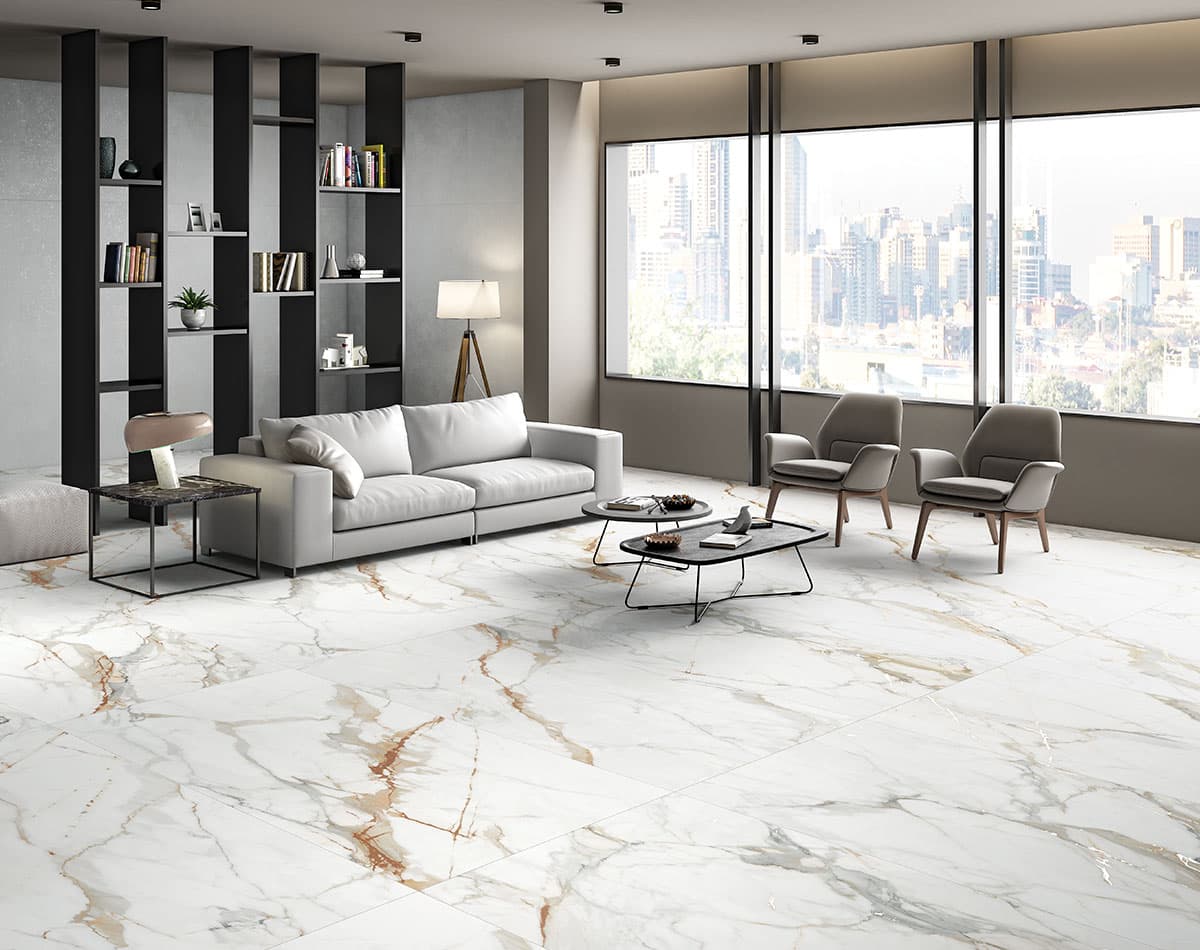
The best commercial flooring depends on the type of space, the volume of foot traffic, the moisture exposure, and the maintenance budget. Luxury vinyl tile (LVT) is the most versatile option for offices and retail. Porcelain tile and polished concrete are the most durable for high-traffic and wet environments. Epoxy is the strongest choice for kitchens, industrial areas, and spaces that need chemical resistance. Carpet tile works best in offices and hospitality settings where comfort and sound absorption matter more than moisture resistance. This article compares every major commercial flooring type by cost, durability, maintenance, and application so you can choose the right material for your space.
What Is the Best Commercial Flooring for Your Space
The best commercial flooring is the material that matches your space's specific demands for durability, moisture resistance, maintenance, and appearance. No single flooring type works best in every commercial environment. A restaurant kitchen needs chemical-resistant, seamless flooring that can handle grease and water. An office needs comfortable, sound-absorbing flooring that holds up under rolling chairs and foot traffic. A retail showroom needs flooring that looks polished and cleans easily without constant maintenance.
According to the Flume Price Index, flooring represents 8% to 15% of interior finish costs on a typical commercial construction project. That percentage makes flooring one of the largest single line items in any tenant improvement budget, which means the selection decision affects both the project's upfront cost and its long-term operating expenses. Choosing a material with low upfront cost but high maintenance requirements can end up costing more over 10 to 20 years than a material that costs more initially but requires almost no ongoing care.
The selection process starts with four questions: How much foot traffic does the space receive daily? Is the space exposed to moisture, chemicals, or food spills? How much maintenance can the facility staff perform on a regular basis? And what aesthetic does the space need to project to clients, customers, or employees? The answers to those four questions narrow the field from eight flooring options to two or three that genuinely fit.
The recommended sequence for selecting commercial flooring follows these steps:
- Identify the primary performance demand of each zone in the space: durability, moisture resistance, comfort, slip resistance, or aesthetic impact
- Determine the expected daily foot traffic volume for each zone (low, moderate, heavy, or extreme)
- Assess the moisture and chemical exposure each zone will face during normal business operations
- Establish the maintenance budget and staffing capacity for ongoing floor care
- Compare two or three materials that meet the performance requirements on total lifecycle cost, not just material price per square foot
- Get samples installed in a test area before committing to the full project, especially for materials that will cover more than 2,000 square feet
What Are the Different Types of Commercial Flooring
The different types of commercial flooring include luxury vinyl tile (LVT), carpet tile, vinyl composition tile (VCT), porcelain and ceramic tile, epoxy, polished concrete, rubber, and laminate. Each type serves different commercial environments based on its physical properties, cost structure, and maintenance requirements.
Flooring TypeMaterial Cost ($/SF)Installed Cost ($/SF)LifespanMaintenance LevelBest ApplicationsLuxury Vinyl Tile (LVT)$1.53 - $4.49$4 - $1010 - 20+ yearsLowOffice, retail, healthcare, hospitalityCarpet Tile$0.64 - $3.23$2.50 - $7.505 - 15 yearsMediumOffice, hospitality, waiting roomsVCT$0.75 - $2.50$3 - $710 - 20 yearsHigh (strip/wax)Healthcare, education, cafeteriaPorcelain/Ceramic Tile$2 - $10$10 - $2515 - 50+ yearsLowRestrooms, kitchens, retail, lobbyEpoxy$3 - $12$5 - $1510 - 20+ yearsLowKitchen, industrial, lab, warehousePolished Concrete$3 - $15$3 - $15Building lifetimeVery lowWarehouse, showroom, retail, officeRubber$3 - $10$5 - $1215 - 25 yearsLow to mediumGym, healthcare, daycare, labLaminate$0.65 - $3.29$4 - $105 - 15 yearsLow to mediumLow-traffic office, retail, temporary
Sources: Flume Price Index (March 2026, commercial volume pricing), D and G Floors (2026 guide), Star Lumber, HouseCall Pro (2026 data), Royal American Carpets
LVT dominates commercial interiors in 2026. According to the Flume Price Index, which tracks 796 flooring products across five major categories, vinyl flooring offers the widest range of price points in the commercial market, from $0.65 per square foot for basic luxury vinyl plank (LVP) to $4.49 per square foot for premium LVT planks, with a commercial median of $2.09 per square foot. LVT's popularity comes from its combination of realistic wood and stone visuals, water resistance, and a maintenance profile that requires no stripping, waxing, or polishing.
Carpet tile holds the largest share of office square footage by volume. According to Flume, carpet tile's commercial median price sits at $1.46 per square foot for material, making it the most affordable option per square foot. For a 50,000 square foot office buildout, going with carpet tile at $1.12 median versus LVP at $2.44 median saves $69,500 in material costs alone.
What Is the Most Durable Flooring for Commercial Use
The most durable flooring for commercial use is porcelain tile, polished concrete, and epoxy, in that order of raw longevity. Porcelain tile lasts 15 to 50+ years with minimal maintenance. Polished concrete can last the lifetime of the building itself. Epoxy lasts 10 to 20+ years and withstands chemical exposure, impact, and abrasion that would destroy other flooring types.
Porcelain tile earns its durability from the manufacturing process. The clay body is fired at temperatures above 2,200 degrees Fahrenheit, producing a tile that is denser, harder, and less porous than ceramic. Commercial-grade porcelain resists scratches, stains, water, heavy impacts, and UV fading. Porcelain tile is the standard choice for lobbies, restrooms, corridors, and any space where long-term durability and low maintenance outweigh the higher installation cost.
Polished concrete eliminates the flooring layer entirely. The existing concrete slab is ground, densified, and polished to a smooth, reflective finish. According to D and G Floors, polished concrete costs $3 to $15 per square foot depending on the finish level: a cream polish (surface paste only) runs $3 to $6, a salt-and-pepper finish (fine aggregate exposed) runs $5 to $8, and a full-aggregate exposure (decorative stone revealed) runs $8 to $15. The payoff is zero ongoing maintenance beyond daily dust mopping and periodic densifier application. There is no wax to strip, no grout to clean, and no tiles to replace.
Epoxy creates a seamless, chemical-resistant surface bonded directly to the concrete slab. Commercial epoxy systems consist of a primer coat, one or two layers of epoxy resin, and a clear topcoat, resulting in total thickness from 10 mils to 250+ mils depending on the application. Epoxy's seamless surface eliminates joints, seams, and grout lines where bacteria, moisture, and chemicals accumulate, making it the standard choice for restaurant construction kitchens, brewery floors, pharmaceutical facilities, and medical laboratories.
What Is the Best Flooring for High-Traffic Commercial Areas
The best flooring for high-traffic commercial areas is LVT, porcelain tile, or polished concrete, depending on the type of traffic and the aesthetic the space requires. High-traffic spaces need flooring that resists wear, cleans easily, and maintains its appearance under thousands of daily footfalls.
LVT handles high traffic through its multi-layer construction. Commercial-grade LVT features a wear layer measuring 20 mil to 28 mil thick, which protects the photographic design layer underneath from scratches, scuffs, and staining. The wear layer determines how long the floor looks new under heavy traffic. A 20-mil wear layer suits moderate commercial traffic. A 28-mil wear layer handles the heaviest retail and healthcare foot traffic without showing wear patterns for 15 to 20 years.
Porcelain tile handles high traffic through sheer hardness. Rated 7 on the Mohs hardness scale, commercial porcelain resists scratching from shoe grit, rolling carts, and furniture movement. In retail spaces where foot traffic concentrates around entrances and checkout areas, porcelain tile maintains its appearance without the wear patterns that develop in vinyl and carpet after several years of concentrated use.
What Is the Best Flooring for a Commercial Office
The best flooring for a commercial office is carpet tile in work areas and LVT in corridors, break rooms, and reception. Carpet tile provides comfort underfoot for employees who stand or walk throughout the day, absorbs sound to reduce ambient noise in open floor plans, and offers design flexibility through modular patterns and textures. LVT provides moisture resistance and easy cleaning in areas where spills, mud tracking, and heavy foot traffic are more common.
According to Royal American Carpets, commercial carpet tile installed costs $3.50 to $7.50 per square foot in 2026, depending on fiber type, construction, and backing. Broadloom (roll) carpet runs $2.50 to $5.00 per square foot installed but cannot be replaced in sections. Carpet tile's modular design allows individual tiles to be swapped when stained or worn, which reduces replacement cost significantly over the floor's 10-to-15-year lifespan.
What Is the Best Flooring for a Commercial Kitchen
The best flooring for a commercial kitchen is epoxy or quarry tile. Both materials resist grease, water, heat, and chemical cleaners that would damage vinyl, carpet, or laminate within months. Commercial kitchens require flooring that meets health department sanitation standards, provides slip resistance when wet, and withstands the constant abuse of heavy equipment, dropped utensils, and thermal shock from hot liquids.
Epoxy flooring is the preferred choice for new kitchen construction because its seamless surface eliminates grout lines where grease and bacteria collect. Slip-resistant additives can be mixed into the topcoat during application, creating a textured surface that maintains grip even when wet. Quarry tile, a thick, unglazed clay tile, provides natural slip resistance and withstands extreme temperatures. Both options require professional installation from an experienced tenant improvement contractor who understands the specific drainage, slope, and floor-drain requirements of commercial kitchen construction.
What Is the Best Flooring for Retail and Hospitality Spaces
The best flooring for retail and hospitality spaces is LVT, porcelain tile, or a combination of both, depending on the zone within the space. Retail showrooms and hotel lobbies need flooring that looks premium, cleans easily, and holds up under constant foot traffic from customers and guests.
LVT delivers realistic wood and stone visuals at a fraction of the cost of natural materials. A retail space can achieve a hardwood aesthetic at $4 to $10 per square foot installed versus $11 to $25 for actual hardwood, while gaining superior moisture resistance and easier maintenance. In hotel renovations, LVT has largely replaced carpet in guest room corridors because it resists stains from luggage wheels, spilled beverages, and cleaning chemicals that would damage broadloom carpet. Porcelain tile works best in entryways, restrooms, and dining areas where water exposure is heaviest and long-term durability matters most.
How Much Does Commercial Flooring Cost Per Square Foot
Commercial flooring costs between $2 and $25 per square foot installed, depending on the material, the subfloor condition, and the installation complexity. Material cost is only one part of the total. Installation labor, subfloor preparation, removal of existing flooring, and specialty requirements like moisture mitigation or slip-resistant coatings all add to the per-square-foot price.
According to HouseCall Pro's 2026 pricing data, most flooring installation projects fall between $4 and $15 per square foot for materials and standard installation labor. Labor alone ranges from $2 to $8 per square foot depending on the material and layout complexity. Subfloor preparation, which includes leveling, patching, moisture barriers, and underlayment, adds $0.50 to $3.00 per square foot. Old flooring removal adds another $0.50 to $3.50 per square foot, with tile removal at the higher end.
For commercial projects, the cost calculation extends beyond the installed price. Total lifecycle cost over the floor's expected lifespan, including maintenance, repairs, and eventual replacement, is the number that matters. According to D and G Floors, VCT requires stripping and waxing 4 to 6 times per year in heavy-traffic environments, at $0.25 to $0.50 per square foot per cycle. Over a 20-year lifespan, VCT maintenance costs can exceed the original material and installation cost two to three times over. LVT, polished concrete, and epoxy require significantly less ongoing maintenance, which makes their higher upfront cost more economical over a 10-to-20-year timeline.
What Is the Difference Between LVT and VCT
The difference between LVT and VCT is construction, appearance, maintenance, and long-term cost. LVT (luxury vinyl tile) uses a multi-layer construction with a photographic design layer that realistically mimics wood or stone, a thick protective wear layer, and a rigid or flexible core. VCT (vinyl composition tile) uses a single-layer construction made of recycled vinyl, limestone, and filler materials compressed into a solid, porous tile with color throughout the body.
LVT requires no stripping, waxing, or polishing. Regular sweeping and occasional mopping keep LVT floors looking new for their entire lifespan. VCT requires routine stripping and waxing to maintain its appearance and protect the porous surface from staining and wear. That maintenance cycle is the single biggest difference between the two materials in total cost of ownership.
LVT has rapidly displaced VCT in many commercial applications because it eliminates the strip-and-wax maintenance cycle entirely. Commercial-grade LVT features a wear layer of 20 to 28 mil that protects the design layer from scratches and scuffs without any topical finish. VCT's color-through construction means minor scratches buff out rather than showing a different color underneath, which is an advantage in industrial and institutional settings where cosmetic appearance is secondary to raw durability and cost.
VCT remains the most cost-effective choice for facilities with existing maintenance staff and equipment who can perform the stripping and waxing in-house. Healthcare facilities, schools, and government buildings with custodial teams often prefer VCT because the labor cost is already built into their operating budget. Businesses without in-house maintenance staff should factor the cost of outsourcing VCT maintenance into their flooring decision.
How Long Does Commercial Flooring Last
How long commercial flooring lasts depends on the material, the traffic volume, the maintenance consistency, and the quality of the installation. Polished concrete can last the lifetime of the building with proper densifier application. Porcelain tile lasts 15 to 50+ years. Rubber flooring lasts 15 to 25 years. LVT and epoxy last 10 to 20+ years. Carpet tile and laminate have the shortest commercial lifespans at 5 to 15 years.
Installation quality affects lifespan directly. Flooring installed over an improperly prepared subfloor, whether uneven, moisture-laden, or contaminated with old adhesive, will fail years before its rated lifespan regardless of the material quality. In South Florida, where concrete slab moisture from high humidity and the water table is a persistent challenge, moisture testing and vapor barrier installation are critical steps that protect the flooring investment for the full duration of its expected life.
How Does Flooring Selection Affect the Tenant Improvement Budget
Flooring selection affects the tenant improvement budget significantly because flooring is one of the largest single material costs in any commercial buildout. According to the Flume Price Index, flooring represents 8% to 15% of total interior finish costs on a typical commercial project. On a $200,000 tenant improvement budget, flooring accounts for $16,000 to $30,000 before installation labor, subfloor preparation, and transition strips are added.
The material selected determines how far the tenant improvement allowance stretches. Carpet tile at the $1.46 per square foot commercial median versus engineered hardwood at the $4.33 per square foot median creates a material cost difference of $2.87 per square foot. On a 5,000 square foot office, that difference adds up to $14,350 in material cost alone. Tenants working within a fixed TIA should evaluate flooring options based on total lifecycle cost rather than material cost alone, because a cheaper material with high maintenance demands can exceed the total cost of a more expensive material that requires almost no upkeep.
What Is the Best Way to Clean and Maintain Commercial Flooring
The best way to clean and maintain commercial flooring depends on the material. Each flooring type has specific cleaning requirements, and using the wrong products or methods can void warranties, damage surfaces, and shorten the floor's lifespan.
- LVT: Daily dry mopping or vacuuming removes grit. Weekly damp mopping with a neutral pH cleaner keeps the surface clean. No waxing or polishing required. Avoid abrasive cleaners and steam mops.
- Carpet tile: Daily vacuuming in high-traffic zones. Spot cleaning spills immediately with approved carpet cleaner. Professional deep cleaning (hot water extraction) every 12 to 18 months to remove embedded dirt and allergens.
- VCT: Daily sweeping and damp mopping. Periodic stripping of old wax with a chemical stripper, followed by application of new floor finish (4-6 times per year in heavy traffic). Burnishing between wax cycles to maintain gloss.
- Porcelain/ceramic tile: Daily sweeping and mopping with a mild detergent. Periodic grout cleaning with a pH-neutral grout cleaner and soft brush. Sealing grout lines annually to prevent staining.
- Epoxy: Daily sweeping and damp mopping. Periodic scrubbing with a non-abrasive floor cleaner for heavy soiling. The seamless surface resists bacterial growth and makes sanitation straightforward.
- Polished concrete: Daily dust mopping with a microfiber pad. Periodic wet mopping with a neutral cleaner. Reapplication of densifier or guard product every 2 to 5 years depending on traffic.
- Rubber: Daily sweeping and damp mopping with a neutral cleaner. Periodic deep cleaning with a rubber floor cleaner to prevent residue buildup. Avoid petroleum-based cleaners that can degrade the rubber surface.
Maintenance consistency is the single biggest factor in how long any commercial floor lasts. A well-maintained VCT floor can last 20 years. A neglected LVT floor can show wear in five. The maintenance protocol should be established before the flooring is installed, and every condo renovation or commercial buildout should include a maintenance plan as part of the project closeout documentation.
Frequently Asked Questions
What Flooring Should You Avoid in Commercial Spaces
The flooring you should avoid in commercial spaces is any material that does not match the environment's specific demands. Residential-grade laminate and standard hardwood should be avoided in high-moisture areas like kitchens, restrooms, and entryways because they warp and swell when exposed to water. Carpet should be avoided in food service, healthcare, and wet environments because it traps moisture, bacteria, and allergens. Untextured epoxy and polished surfaces should be avoided in wet areas without slip-resistant additives because they become hazardous when wet.
Is Polished Concrete a Good Option for Commercial Flooring
Polished concrete is an excellent option for commercial flooring in the right application. Warehouses, showrooms, retail stores, and modern offices use polished concrete for its durability, minimal maintenance, and industrial aesthetic. Polished concrete can last the lifetime of the building and requires no wax, grout cleaning, or tile replacement. The trade-off is that polished concrete is hard and cold underfoot, which makes it a poor choice for spaces where employee comfort is a priority, such as call centers or offices where staff stand for extended periods.
How Do You Choose the Right Commercial Flooring for Your Business
You choose the right commercial flooring by matching the material to the space's traffic volume, moisture exposure, maintenance capacity, aesthetic requirements, and budget. Start by identifying the primary demand: durability, comfort, moisture resistance, or appearance. Narrow the options to two or three materials that meet that demand, then compare them on lifecycle cost (material + installation + maintenance over the expected lifespan) rather than upfront material cost alone.
Can You Install Commercial Flooring Over Existing Flooring
You can install some commercial flooring types over existing flooring, but the existing surface must be clean, level, well-adhered, and structurally sound. LVT and carpet tile can sometimes be installed over existing vinyl or tile if the surface is smooth and stable. Epoxy and polished concrete require direct access to the concrete slab and cannot be installed over other flooring materials. Removing the existing floor and preparing the subfloor properly is almost always the better long-term decision because it eliminates the risk of adhesion failure, moisture trapping, and uneven surfaces.
How Does Foot Traffic Volume Affect Commercial Flooring Selection
Foot traffic volume affects commercial flooring selection by determining how quickly the material will show wear and how often it will need replacement. High-traffic areas like retail entrances, hospital corridors, and school hallways need the most durable options: porcelain tile, polished concrete, or commercial-grade LVT with a 28-mil wear layer. Medium-traffic areas like private offices and conference rooms can use carpet tile or standard LVT. Low-traffic areas like storage rooms and back offices can use laminate or VCT where budget is the primary concern.
The Takeaway
The best commercial flooring is the material that fits your space's demands, your maintenance capacity, and your budget over the full lifecycle of the floor. LVT delivers the best combination of versatility, appearance, and low maintenance for most commercial environments. Porcelain tile and polished concrete deliver the longest lifespans. Epoxy handles the toughest industrial and kitchen environments. Carpet tile provides the comfort and acoustics that offices need. The right choice depends on where the floor is going and what it needs to withstand every day.
We select and install commercial flooring across every project type at MT Construction Group. With over 560 projects completed across South Florida, our team matches the right flooring material to each space based on traffic, moisture, function, and budget. If you are planning a commercial buildout and want flooring guidance from a contractor who installs these materials daily, give us a call at 786-882-3877 or request a free quote.




.avif)


.avif)
.avif)
.avif)