
%201.avif)
.avif)

How to Find a Custom Home Builder
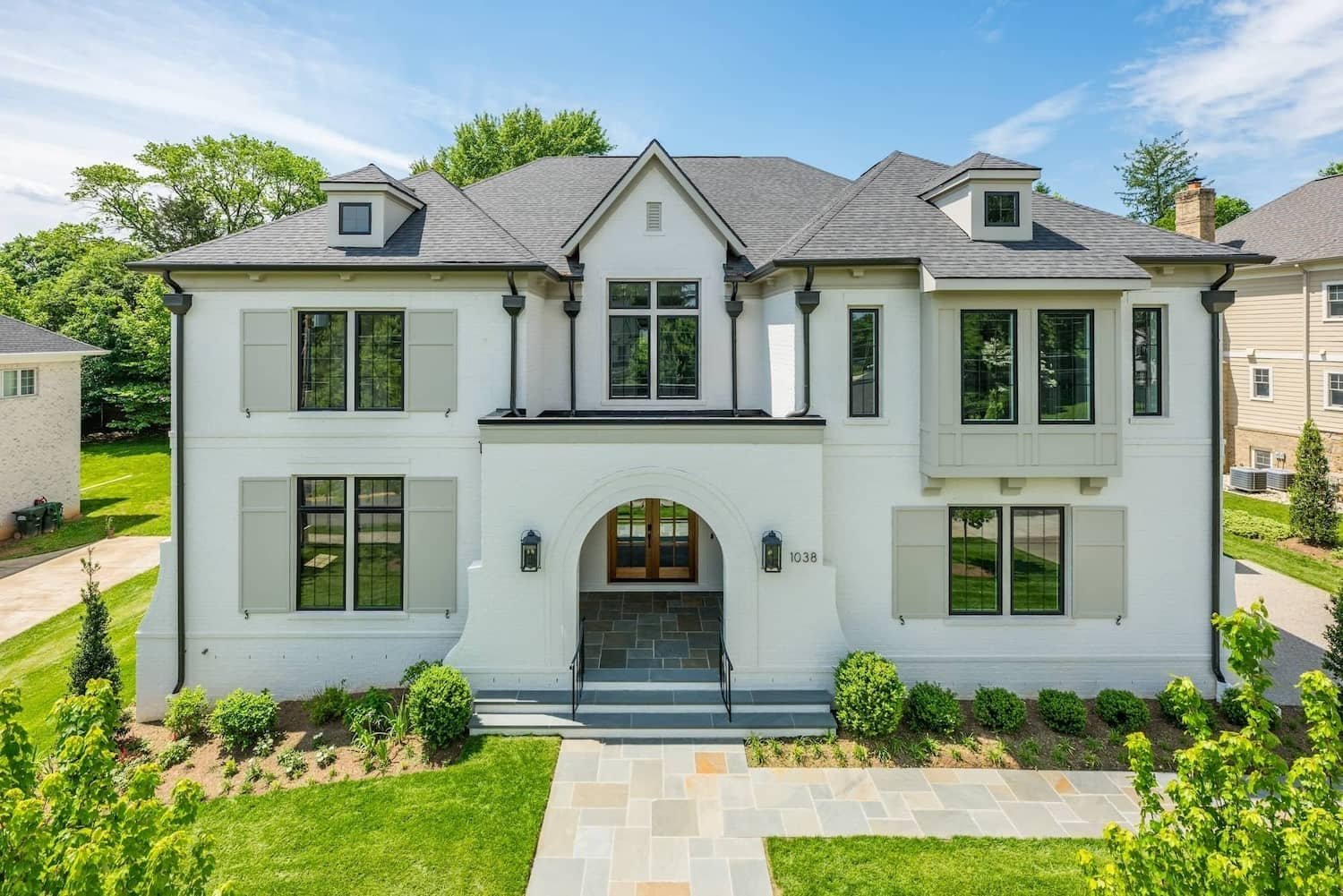
Finding a custom home builder starts with defining your project scope and budget, then researching local builders through referrals, association directories, and portfolio reviews. After creating a shortlist, you verify licensing and insurance, interview each candidate, compare bids on scope and pricing structure, check references, and review the contract before signing. This article walks through every step of that process so you can identify, evaluate, and hire the right builder for your custom home with confidence.
How to Find a Custom Home Builder Who Fits Your Project
Finding a custom home builder who fits your project requires a structured process that moves from broad research to focused evaluation. A custom home is one of the largest investments most families will make. According to the NAHB 2024 Construction Cost Survey, the average new construction home price with land reached $665,298. Custom homes with high-end finishes and complex designs cost significantly more, with per-square-foot pricing ranging from $200 to $550+ in 2026, according to data from Hafsa Building Group.
The builder you choose will control your budget, your schedule, and the quality of every material and system that goes into the finished home. Choosing the wrong builder leads to cost overruns, missed deadlines, poor communication, and a finished product that does not match the vision you started with. Choosing the right builder leads to a home that reflects exactly what you wanted, delivered on time and within a budget you understood from the start.
The process below follows a logical sequence that protects your investment at every step:
- Define your project scope, design goals, and budget range before you start searching
- Research local custom home builders through referrals, association directories, and online portfolios
- Create a shortlist of three to five builders whose experience matches your project type
- Verify licensing, insurance, and bonding for every builder on the shortlist
- Interview each builder using the same set of questions so you can compare answers consistently
- Request detailed proposals or preliminary estimates from the top two or three candidates
- Contact references from each finalist and ask specific questions about budget accuracy, timeline, and communication
- Review the selected builder's contract with a real estate attorney before signing
What Is a Custom Home Builder and What Do They Do
A custom home builder is a licensed general contractor who specializes in constructing one-of-a-kind homes designed specifically for an individual homeowner on the homeowner's own lot. Custom home builders manage the entire construction process, from coordinating with architects and engineers during design through permitting, material procurement, subcontractor management, quality control, and final handover.
According to NAHB analysis of Census data, custom single-family housing starts totaled 186,000 homes in 2025, representing approximately 20% of all single-family starts nationwide. That 20% market share reflects a specific segment of the industry where every home is unique, every lot presents different challenges, and every client has different design priorities. A luxury home builder working in the custom segment brings a different skill set than a production builder who delivers hundreds of identical floor plans per year.
Custom home builders differ from remodelers, who work on existing structures, and from spec builders, who construct homes without a specific buyer in mind. The custom builder's job is to translate the homeowner's vision into a finished structure, manage every trade and material decision along the way, and deliver a home that meets the approved plans, budget, and timeline.
What Is the Difference Between a Custom Home Builder and a General Contractor
The difference between a custom home builder and a general contractor is the scope of expertise and client involvement. A general contractor manages the construction phase of a project, coordinating subcontractors, ordering materials, and overseeing daily site operations. A custom home builder does all of that plus manages the pre-construction process: design coordination, budgeting, permitting, material selection guidance, and client communication from concept through completion.
On luxury residential projects, the custom home builder serves as the single point of accountability for the entire project. The builder coordinates the architect, the interior designer, the structural engineer, and every trade contractor. A general contractor hired independently would handle only the construction execution phase, leaving the homeowner to coordinate the rest.
What Is the Difference Between a Custom Home and a Semi-Custom Home
The difference between a custom home and a semi-custom home is the degree of design flexibility. A custom home starts from a blank sheet of paper. The homeowner selects the lot, works with an architect to design the floor plan from scratch, and chooses every material, finish, and system specification. A semi-custom home starts with a pre-designed floor plan that the homeowner can modify within parameters set by the builder, such as changing finishes, adjusting room dimensions, or adding optional features like a bonus room or expanded garage.
AttributeCustom HomeSemi-Custom HomeSpec/Production HomeFloor PlanDesigned from scratch for the homeownerModified from a base plan with select changesPre-designed, no structural changesLot SelectionHomeowner chooses any lotTypically within builder's communityBuilder-selected lot in a subdivisionDesign FlexibilityComplete control over every detailModerate (finishes, some layout changes)Limited (finish selections only)Typical Cost ($/SF)$200 - $550+$150 - $350$100 - $200Timeline9 - 20 months (design + build)7 - 14 months5 - 9 monthsHomeowner InvolvementHigh (every decision)Moderate (selections + key changes)Low (finish selections only)
Sources: Hafsa Building Group (2026 custom home data), NAHB Construction Cost Survey, HomeAdvisor/Angi 2025 benchmarks, Autodesk/Digital Builder
Understanding which category your project falls into is the first step in finding the right builder. A homeowner seeking a fully custom home on a waterfront lot needs a builder with a different skill set and experience level than someone choosing finishes in a builder's existing community.
Where to Find Custom Home Builders in Your Area
Finding custom home builders in your area starts with three primary sources: referrals from people you trust, professional association directories, and online portfolio research. Using all three sources produces a broader and more reliable shortlist than relying on any single method.
Referrals from friends, family, colleagues, and neighbors who have built custom homes are the most valuable leads. A person who has been through the 12-to-18-month custom build process can tell you exactly how the builder communicated, whether the project finished on budget, and whether they would hire the same builder again. Ask your real estate agent, your architect, or your interior designer for recommendations. These professionals work with builders regularly and know which ones deliver consistently.
The National Association of Home Builders (NAHB) maintains a directory of local home builders associations across the country. Contacting your local HBA provides a list of licensed, active builders who participate in industry education and professional development. Association membership signals that the builder is engaged with current building codes, construction standards, and industry practices.
Online research rounds out the shortlist. Review builder websites for completed project portfolios, client testimonials, and the types of homes they specialize in. Look at the scale and style of their past projects. A builder whose portfolio shows commercial construction and luxury residential work brings broader project management experience than a builder who has only completed smaller residential renovations. Visit completed projects or model homes whenever possible. Photos show finishes, but walking through a completed home shows the quality of construction, the precision of trim work, and the feel of the space.
What to Look for in a Custom Home Builder
What to look for in a custom home builder comes down to six factors: licensing and insurance, relevant experience, portfolio quality, reference satisfaction, communication style, and financial stability. These six factors separate builders who can deliver from builders who will create problems.
Licensing confirms that the builder has met your state's minimum qualifications for performing construction work. Insurance (general liability and workers' compensation) protects you from financial liability for property damage or job site injuries. Bonding provides a financial guarantee that the project will be completed according to the contract. A custom home builder who cannot produce current copies of all three documents should be removed from your shortlist immediately.
Relevant experience means the builder has completed projects similar to yours in scope, style, and budget. A builder with 15 years of experience constructing single-story ranch homes may not have the expertise to build a three-story waterfront estate with an elevator, rooftop terrace, and underground garage. Match the builder's portfolio to your project's complexity.
Communication style matters because you will work closely with this builder for 9 to 18 months. Pay attention to how quickly they return calls during the interview process. A builder who takes a week to respond before you sign the contract will not become more responsive after construction starts. The best builders assign a dedicated project manager, provide weekly written updates with photos, and respond to client questions within 24 hours.
How Do You Verify a Custom Home Builder's License
You verify a custom home builder's license by checking your state's contractor licensing board database. Every state maintains a public online portal where you can search by the builder's name or license number and confirm that the license is active, not expired or suspended. In South Florida, the Florida Department of Business and Professional Regulation (DBPR) maintains the contractor license verification system at myfloridalicense.com. You can search by name, license number, or business name and see the license status, type, issue date, and any disciplinary actions.
Beyond the state licensing board, check the Better Business Bureau (BBB) for complaints and resolution history. Search county court records for any construction-related lawsuits or liens filed against the builder. Search OSHA records for workplace safety violations. A builder with a clean record across all four databases, state license, BBB, court records, and OSHA, has demonstrated sustained professional integrity.
Should You Hire a Design-Build Firm or a Separate Builder and Architect
Whether you hire a design-build firm or a separate builder and architect depends on how much coordination you want to manage yourself and how tightly you want design and construction integrated from the start. A design-build firm keeps the architect, designer, and construction team under one roof. Design decisions flow directly into construction planning, which reduces miscommunication and often shortens the overall timeline.
Hiring a separate architect and builder gives you more freedom to choose a designer whose aesthetic matches your vision independently of the builder. The trade-off is that you become the coordinator between two separate teams, and design intent can get lost in translation when the architect and builder do not share the same project management structure. According to data from Amerisave, custom architectural plans cost $10,000 to $50,000, and that cost falls outside the builder's scope when the architect is hired separately. The timeline for building a custom home often stretches when the design and construction teams are not integrated because coordination delays accumulate across the pre-construction phase.
How to Interview and Compare Custom Home Builders
Interviewing and comparing custom home builders requires a structured approach where you ask every candidate the same questions, visit their completed projects, and evaluate their proposals against consistent criteria. The interview is your single best opportunity to assess the builder's expertise, communication style, and transparency before committing.
Schedule in-person or video interviews with every builder on your shortlist. Bring your project scope, design inspiration, lot information (if you have a lot), and budget range to the meeting. A qualified builder will ask you detailed questions about your vision, your timeline, and your priorities. A builder who talks mostly about themselves without asking about your project is focused on selling, not on delivering.
Ask about their experience with projects similar to yours, their approach to budgeting and cost control, their communication process during construction, how they handle change orders, who will manage your project daily, and what warranty they provide. Builders who also handle home remodeling and additions in addition to ground-up custom builds often have broader construction management experience that benefits complex projects.
How Many Builders Should You Interview Before Choosing One
You should interview at least three custom home builders before choosing one. Three interviews give you enough data to compare pricing approaches, communication styles, and project management methods without creating an overwhelming evaluation process. More than five interviews often produces diminishing returns because the additional candidates begin to blur together.
Ask every builder the same core questions so the comparison is consistent. Take notes during each interview. After all interviews are complete, score each builder across the factors that matter most to you: experience, communication, cost transparency, timeline realism, and overall confidence in their ability to deliver your project.
How Do You Compare Bids from Different Custom Home Builders
You compare bids from different custom home builders by evaluating scope, pricing structure, timeline, and contract terms side by side. The lowest bid is not automatically the best choice. A bid that is 15% lower than the competition usually indicates missing scope, lower-quality materials, or unrealistic assumptions that will produce change orders later. According to River Hills Homes, the typical net profit margin for a custom builder is 4% to 5%. A builder who bids significantly below that margin is either cutting corners or will make up the difference through change orders during construction.
Compare what each bid includes: are architectural plans included or excluded? Are permit fees included? What allowance amounts are assigned to flooring, lighting, appliances, and countertops? Are soft costs (design, engineering, inspections) itemized or bundled? A detailed bid with transparent line items is worth more than a round-number lump sum because it shows you exactly where the money goes. Understanding construction costs at this level of detail puts you in the strongest possible negotiating position.
Red Flags to Watch for When Hiring a Custom Home Builder
Red flags when hiring a custom home builder signal that the builder lacks professionalism, transparency, or the financial stability to complete your project. Recognizing these warning signs during the evaluation process protects you from costly mistakes after construction starts.
The most serious red flags include:
- No written contract or a contract that is vague about scope, timeline, payment terms, and warranty. A builder who says a contract "is not necessary" should be disqualified immediately.
- Pressure to make a large upfront payment before any work begins. Standard payment structures tie payments to completed milestones, not to deposits that exceed 10% of the contract value.
- No proof of active licensing, general liability insurance, or workers' compensation coverage. If the builder cannot produce these documents on request, they are either uninsured or unlicensed.
- No references or a refusal to provide contact information for recent clients. A builder with a track record of satisfied clients has no reason to hide references.
- Negative records on the state licensing board, BBB complaints with no resolution, or construction-related lawsuits in county court records.
- An estimate that is dramatically lower than competing bids without a clear explanation of why. Unrealistically low pricing almost always leads to change orders, scope disputes, or unfinished work.
- Poor communication during the interview process. If the builder takes days to respond, cancels meetings, or gives vague answers to direct questions, that behavior will not improve during a 12-month construction project.
Every red flag you identify during the evaluation phase is a problem you avoid during construction. Builders who deliver home additions and custom homes at a high level welcome scrutiny because their track record speaks for itself.
How Much Does a Custom Home Builder Charge
A custom home builder typically charges 15% to 20% of the total project cost as their general contractor fee, according to data from Home-Cost. This fee covers the builder's project management, site supervision, subcontractor coordination, quality control, insurance, overhead, and profit. On a $750,000 custom home, that fee translates to $112,500 to $150,000 built into the total contract price.
The two most common pricing structures are cost-plus and fixed-price. In a cost-plus contract, the homeowner pays the actual cost of labor, materials, and subcontractors plus a predetermined percentage or flat fee for the builder's services. This model offers full transparency because the homeowner sees every invoice. In a fixed-price contract, the builder quotes a total project cost and absorbs any variances (both overages and savings). Fixed-price contracts give the homeowner cost certainty but typically include a higher margin to protect the builder from risk.
According to Hafsa Building Group, custom homes in 2026 cost $200 to $550+ per square foot depending on location, design complexity, and materials. The NAHB reports that residential building material prices remained above 3% growth through the second half of 2025, which continues to push total construction costs higher. Most homeowners underbudget by 10% to 20% on new construction, according to financial analysis from Amerisave. Working with an experienced custom home builder who provides a detailed cost breakdown before construction starts is the best protection against budget surprises.
How to Negotiate with a Custom Home Builder
Negotiating with a custom home builder is about aligning scope, quality, timeline, and cost, not about squeezing the lowest possible price. A builder operating on a 4% to 5% net profit margin, which is standard in the custom segment according to River Hills Homes, has limited room for price cuts. Pushing the price too low creates incentives for the builder to cut corners on materials or subcontractor quality, which harms the finished product.
Negotiate scope before price. Review the line-item budget and identify areas where material substitutions, design simplifications, or phased construction could reduce cost without compromising the elements that matter most to you. Negotiate payment schedules that tie disbursements to completed milestones, not to calendar dates. Negotiate allowance item amounts based on realistic pricing for the quality level you expect, so the budget reflects actual costs rather than artificially low placeholders.
Negotiate contract protections: a contingency reserve (typically 5-10% of total budget), a clear change order process with written approval required before any additional spending, a defined communication cadence (weekly reports, monthly budget reviews), and specific warranty terms covering workmanship, mechanical systems, and structural defects. Projects like condo renovations and custom homes both benefit from these same contractual protections because the principles of cost control, communication, and accountability apply regardless of project type.
Frequently Asked Questions
Why Does Choosing the Right Custom Home Builder Matter
Choosing the right custom home builder matters because the builder controls every aspect of the construction process for 9 to 18 months. According to Hafsa Building Group, custom home construction takes 7 to 14 months once building starts, plus 2 to 6 months of pre-construction planning. The wrong builder leads to cost overruns, missed deadlines, poor workmanship, and a finished home that does not match the approved plans. The right builder delivers the home you envisioned, on time, within a budget you understood from the start, with documentation and communication at every phase.
Can You Change Builders After Construction Starts
You can change builders after construction starts, but the process is expensive, disruptive, and should be treated as a last resort. Terminating a builder mid-project requires reviewing the contract's termination clause, settling all outstanding payments for completed work, hiring a new builder willing to take over an in-progress project, and often paying for an independent inspection to assess the quality of the existing work. Proper vetting before signing the contract is far less costly than switching builders mid-construction.
What Certifications Should a Custom Home Builder Have
A custom home builder should hold an active state general contractor license at a minimum. Beyond licensing, valuable certifications include Certified Graduate Builder (CGB) and Certified Graduate Remodeler (CGR) from NAHB, which indicate advanced education in residential construction practices. OSHA safety certifications demonstrate the builder's commitment to job site safety. In Florida, builders must hold a Certified General Contractor (CGC) or Registered General Contractor (RGC) license through the Florida Construction Industry Licensing Board.
How Long Does It Take to Find and Hire a Custom Home Builder
Finding and hiring a custom home builder typically takes four to eight weeks when the homeowner follows a structured evaluation process. That timeline includes one to two weeks of research and shortlisting, one to two weeks of interviews and site visits, one to two weeks of proposal review and reference checks, and one to two weeks of contract review and finalization. Rushing the selection process to save a few weeks of calendar time creates risk that lasts the entire duration of the build.
Do Custom Home Builders Provide Financing
Custom home builders do not typically provide financing directly. Most custom homes are financed through construction loans offered by banks and credit unions. A construction loan disburses funds in stages as the builder completes defined milestones, then converts to a permanent mortgage after the home is finished. The builder can recommend lenders experienced with construction financing, but the loan relationship is between the homeowner and the lender, not the builder.
Putting It All Together
Finding the right custom home builder is a process that rewards preparation, patience, and structured evaluation. The builder you choose will shape every aspect of your home for the next year or more, from the foundation to the final coat of paint. Define your project before you search. Research broadly. Verify credentials thoroughly. Interview consistently. Compare bids on substance, not just price. And trust the builder whose answers, references, and track record give you the most confidence.
We welcome the evaluation process at MT Construction Group. With over 560 projects completed and 15+ years of experience delivering custom homes and commercial spaces across South Florida, we believe the best client relationships start with honest answers and transparent pricing. If you are planning a custom home and want to start with a conversation, give us a call at 786-882-3877 or request a free quote.




.avif)


.avif)
.avif)
.avif)