
%201.avif)
.avif)

What Is Design Build and How the Process Works?
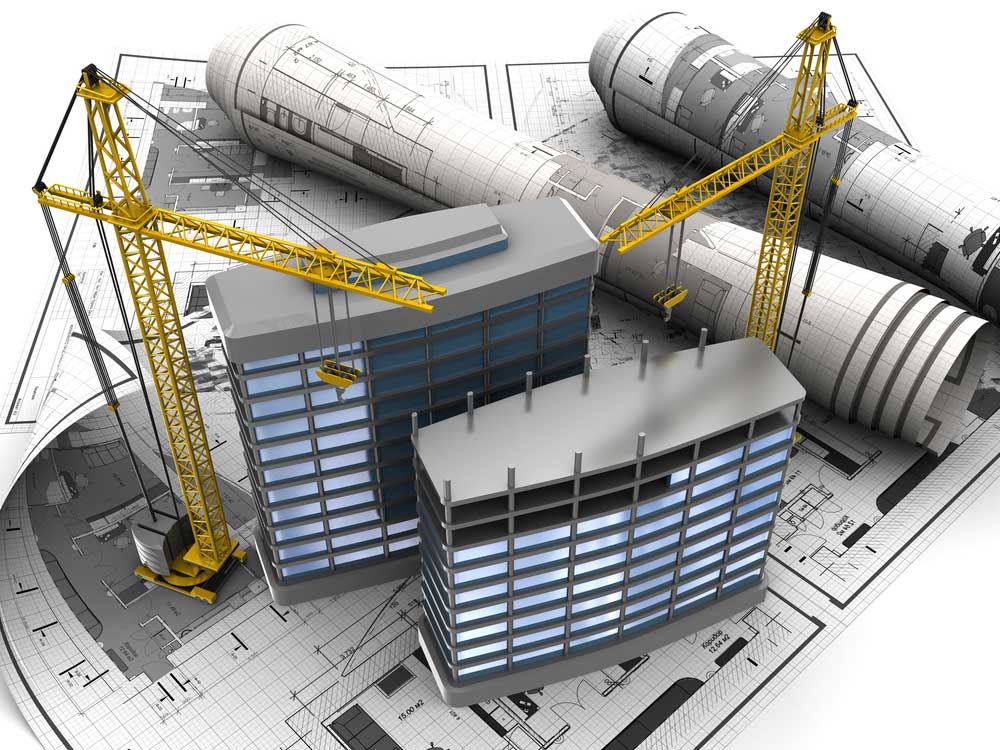
Design-build is a project delivery method where an owner signs a single contract with one unified entity for both the architectural design and the physical construction of a project. The design-build process typically moves through five core phases, bringing designers and builders together as a collaborative team from day one rather than separating them into independent contracts. According to the Design-Build Institute of America (DBIA) and FMI Corporation, design-build is projected to account for 47% of all U.S. construction spending by 2028, totaling $2.6 trillion. That growth reflects decades of research showing that design-build delivers projects faster, with fewer change orders and less cost growth than traditional project delivery methods. This guide explains how design-build works, walks through each phase of the process, identifies who is involved, and helps you determine whether design-build is the right approach for your project.
How Does Design-Build Construction Work?
Design-build construction works by placing both the design and construction of a project under a single contract with one firm, allowing the design and construction phases to overlap rather than follow a strict sequence. The owner signs one agreement with a design-build firm that assembles the full project team, which includes architects, engineers, estimators, and construction crews, all working under the same organizational structure from the first day of the project.
The single-contract structure produces two defining characteristics that separate design-build from every other project delivery method. The first characteristic is phase overlap. Construction can begin on completed portions of the design while the remaining design work continues. A study by the Construction Industry Institute (CII) and the Charles Pankow Foundation found that design-build projects are delivered 102% faster than traditional design-bid-build projects, measured from design start through construction completion. The speed advantage comes directly from this overlap because the builder does not wait for 100% complete drawings before starting work.
The second characteristic is single-point accountability. The design-build firm assumes responsibility for both the design and the construction. If a design decision creates a problem during construction, the design-build firm resolves it internally rather than passing the cost to the owner through a change order. The CII/Pankow Foundation study of 212 completed U.S. projects found that design-build projects have 6% fewer change orders than design-bid-build projects. Single-point accountability means the owner has one team to communicate with, one team to hold responsible, and one team managing every decision from concept through completion. We operate as a commercial construction and luxury residential design-build firm with an in-house architect and in-house interior designer for exactly this reason. Understanding what design-build is at the structural level sets up the more practical question of how the process actually unfolds from start to finish.
What Are the 5 Phases of the Design-Build Process?
The 5 phases of the design-build process are team selection, pre-construction and planning, architectural design, construction, and post-construction closeout. Each phase builds on the previous one, and the overlap between the design and construction phases is where the schedule compression happens that makes design-build faster than traditional methods.
- Team selection: The project owner vets and hires a single design-build firm based on qualifications, past experience, and portfolio rather than running a separate competitive bidding process for design and construction. The owner evaluates the firm's track record on projects of similar scope, reviews references from past clients, and confirms that the firm has the in-house capabilities to manage both design and construction. Selecting a design-build firm based on qualifications and value, rather than lowest price alone, is what the DBIA identifies as a core best practice for successful design-build delivery.
- Pre-construction and planning: The integrated team meets with the owner to establish the project scope, overall budget, timeline, and site requirements. The architect and the builder collaborate from this earliest stage, which means cost estimates are informed by real construction data rather than design-only assumptions. Permit requirements, zoning restrictions, and site conditions are evaluated during this phase so they are built into the project plan before any design work begins. In Miami-Dade County, this phase includes identifying hurricane-code compliance requirements and scheduling the additional inspections that South Florida building codes require.
- Architectural design: Architects, engineers, and construction experts collaborate to develop the project design. The architect produces floor plans, elevations, structural details, and material specifications. The builder provides constructibility input in real time, flagging issues like material availability, structural feasibility, and construction sequencing while the design is still flexible enough to adjust without costly revisions. This collaboration is what produces the 3.8% less cost growth that the CII research attributes to design-build over design-bid-build. A custom home timeline benefits most from this phase because residential projects require tight coordination between architectural vision and construction reality.
- Construction: Physical building begins, often overlapping with the final design stages for unbuilt portions of the project. The single team manages all subcontractors and site work directly. The designer remains involved throughout construction to address field conditions, answer requests for information (RFIs), and approve submittals. Because the designer and builder operate under the same contract, issues that arise during construction are resolved collaboratively rather than through formal change orders between separate parties.
- Post-construction closeout: The design-build team performs a final walkthrough with the owner, addresses any outstanding punch list items, delivers warranty documentation, and hands the completed project over to the owner. Because all documentation, from design drawings through construction records, lives with a single entity, closeout is faster and more organized than in traditional methods where the owner must collect records from multiple separate contractors.
The collaboration between designer and builder throughout all five phases is the mechanism that produces design-build's documented performance advantages. In the traditional design-bid-build method, the builder has no involvement during the design phases and only enters the project after the design is 100% complete. That sequential separation is the structural difference that adds months to the project timeline and generates the change orders that drive cost overruns. Understanding the phases explains how the process works. Understanding who participates in each phase explains how the collaboration actually functions day to day.
Who Is Involved in a Design-Build Project?
The people involved in a design-build project are the owner, the design-build firm, the architect, structural and MEP engineers, the project manager, subcontractors, and specialized consultants. All of these participants work under the organizational structure of the design-build firm, with the owner serving as the decision-maker who approves scope, budget, and design direction throughout the project.
The owner defines the project goals, approves the budget and schedule, and collaborates with the design-build team at key decision points. The owner's role in design-build is focused on setting the vision and approving milestones rather than managing day-to-day coordination between separate contractors. The design-build firm manages that coordination internally.
The design-build firm is the single entity responsible for delivering the completed project. The firm typically includes architects who develop the project design, engineers who handle structural and mechanical/electrical/plumbing (MEP) systems, and construction crews who execute the build. The project manager serves as the owner's single point of contact, coordinating all teams, tracking the schedule, managing the budget, and communicating progress. Subcontractors handle specialized trades like electrical, plumbing, HVAC, and finish work under the direction of the design-build firm. Outside consultants may be brought in for specific needs like geotechnical analysis, environmental compliance, or interior design. We staff an in-house architect, in-house interior designer, and dedicated construction project management team so that every discipline collaborates under one roof from the first meeting through the final walkthrough.
What Is a Design-Build Contractor?
A design-build contractor is a single firm that provides both design services and construction services under one contract. The design-build contractor employs or subcontracts architects, engineers, and construction crews who work together from the beginning of the project through completion. The owner signs one agreement and has one point of contact for all design decisions, construction progress, and budget management.
A design-build contractor differs from a traditional general contractor in one fundamental way. A general contractor builds what someone else has already designed. A design-build contractor designs and builds the project together as one integrated scope. The general contractor enters the project after the architect has completed the plans, bids on those completed plans, and constructs what the drawings specify. The design-build contractor participates in the design from the beginning, contributes constructibility expertise during the design process, and then builds what the integrated team has designed collaboratively. This distinction is the reason design-build projects produce fewer change orders and less cost growth. The builder's knowledge of construction costs, material availability, and field conditions shapes the design before it becomes a fixed set of construction documents. A custom home builder operating as a design-build firm brings this integrated approach to residential projects where design vision and construction reality must align from the first sketch. Now that the structure, process, and participants are clear, the practical question is why a project owner would choose design-build over the traditional approach.
Why Choose Design-Build?
You choose design-build for faster project delivery, reduced owner risk, fewer change orders, lower cost growth, and streamlined communication through a single point of contact. Every one of these advantages has been quantified through decades of independent research comparing design-build to design-bid-build across thousands of completed projects.
Speed is the most measurable advantage. The CII/Pankow Foundation research found that design-build projects are delivered 102% faster from design through completion compared to design-bid-build. That speed comes from overlapping the design and construction phases rather than completing them sequentially. For office buildouts where lease commencement dates are fixed and every month of delay carries real financial cost, the schedule compression that design-build provides can determine whether a project is financially viable.
Risk transfer is the second most significant advantage. In design-build, the design-build firm assumes responsibility for both the design and the construction. If a design error creates a construction problem, the firm resolves it internally at its own expense. In design-bid-build, that same error generates a change order that the owner pays for. A meta-analysis published in the Journal of Construction Engineering and Management, covering 4,623 projects across 30 studies, found that design-bid-build projects averaged +18.4% schedule growth compared to +10.2% for design-build. Much of that gap traces directly to change orders generated by design errors that the owner, not the designer or builder, absorbs financially in the traditional model.
Cost performance favors design-build as well. The CII/Pankow Foundation study found that design-build projects average 3.8% less cost growth and cost 0.3% less per square foot than design-bid-build projects. A separate University of Texas analysis of 75 projects completed for the U.S. Navy confirmed that design-build projects took less time, had less cost growth, and were less expensive to build. The DBIA reports that 83% of industry survey respondents indicated design-build helps mitigate market challenges including material cost volatility, labor shortages, and supply chain disruptions. The collaboration between designer and builder that is built into the design-build structure creates measurable financial advantages that compound across the life of the project.
How Does Design-Build Save Time and Money?
Design-build saves time by overlapping the design and construction phases and saves money by catching constructibility problems during design rather than during construction. In design-bid-build, the design must be 100% complete before the bidding process starts, and construction begins only after a contractor is selected. Each phase waits for the previous one to finish. Design-build eliminates that sequential wait by allowing construction to begin on completed design sections while the remaining sections continue through the design process.
The money savings come from two mechanisms. The first mechanism is early collaboration. When the builder participates in the design process, material choices, structural details, and construction sequences are evaluated for cost and feasibility in real time. A structural detail that looks elegant on paper but costs three times more to build in the field gets identified and adjusted before it becomes a fixed specification. The second mechanism is change order reduction. Research from the Construction Industry Institute found that design-build projects have 6% fewer change orders than design-bid-build projects. Every change order that does not happen eliminates its associated cost, schedule delay, and administrative overhead. For luxury residential projects where material specifications are high-end and construction details are complex, the savings from avoiding mid-project changes can be substantial. Understanding the advantages is essential, but an honest evaluation of design-build also requires understanding its limitations.
What Is a Disadvantage of Design-Build?
A disadvantage of design-build is that the owner gives up direct control over the competitive bidding process and individual design decisions. Because the design-build firm handles both design and construction, the owner does not have the opportunity to solicit competitive bids from multiple contractors based on a complete set of plans. The selection of a design-build firm is based on qualifications, experience, and a negotiated price rather than the lowest competitive bid from multiple builders.
Less owner control over design details is the second disadvantage. In design-bid-build, the architect works exclusively for the owner, and the completed design represents the owner's vision without construction-cost compromises. In design-build, the builder's input during the design phase may influence material choices, structural approaches, or layout decisions based on construction cost and feasibility. Owners who have very specific aesthetic requirements or who want to control every design detail independently may find design-bid-build more suitable.
Cost certainty without a complete design is the third disadvantage. Design-build projects sometimes begin construction before the full design is finalized, which means the budget relies on estimates and allowances that may shift as the remaining design develops. Design-build firms mitigate this through guaranteed maximum price (GMP) contracts, which cap the total project cost at a negotiated ceiling, and open-book accounting, which gives the owner full visibility into actual costs versus estimates. Both mechanisms require trust between the owner and the design-build firm. That trust requirement is higher in design-build than in design-bid-build, where the contractor bids on a 100% complete design and the price is fixed before construction starts. The cost question, specifically whether design-build ends up costing more or less than traditional methods, deserves a direct answer based on the data.
Is Design-Build More Expensive?
No, design-build is not more expensive than design-bid-build when measured by total project cost including change orders and schedule-related expenses. The CII/Pankow Foundation study found that design-build projects cost 0.3% less per square foot and average 3.8% less cost growth than design-bid-build projects. Design-bid-build may produce a lower initial bid because multiple contractors compete on a completed set of plans, but that bid price often grows through change orders once construction reveals gaps or errors in the design documents.
Research from Builders Capital shows that approximately 98% of construction projects go over budget by more than 30%. Design-build's integrated structure reduces the likelihood and magnitude of those overruns by catching problems during design rather than discovering them during construction. The initial contract price in design-build may appear higher because it includes both design and construction services in a single agreement, but the final project cost, after accounting for change orders, redesign fees, and delay-related expenses, consistently favors design-build in the research data. Real-world examples of design-build projects help illustrate how these advantages apply across different project types and scales.
What Are Some Examples of Design-Build Projects?
Examples of design-build projects include commercial office buildouts, restaurant construction, retail space fit-outs, hotel renovations, custom home builds, luxury home additions, and condominium renovations. Design-build applies to any project where the owner benefits from having one team manage both the design and construction under a single contract. The method works across both commercial and residential construction at every scale.
Project TypeWhy Design-Build FitsTypical ScopeOffice BuildoutTight lease deadlines require compressed schedulesSpace planning, MEP, finishes, furniture coordinationRestaurant ConstructionComplex MEP systems need designer-builder collaborationCommercial kitchen, dining layout, HVAC, code complianceRetail Fit-OutBrand standards require integrated design executionStorefront, interior build, lighting, signageHotel RenovationPhased construction minimizes revenue disruptionGuest rooms, lobbies, MEP upgrades, ADA complianceCustom Home BuildOwner vision and construction reality must align from day oneFull architectural design, structural, finishes, landscapeLuxury Home AdditionStructural integration with existing home requires early builder inputFoundation assessment, design integration, construction, closeoutCondo RenovationBuilding rules and limited access require coordinated schedulingInterior demolition, redesign, MEP modifications, finishes
We deliver design-build projects across all of these categories. Our restaurant construction projects require the kind of MEP coordination that only works when the designer and builder share the same table.
Our home additions require structural assessment of the existing residence during the design phase, which is impossible under a traditional model where the builder does not enter the project until after the design is complete.
Our luxury remodeling projects benefit from the single-point accountability that prevents the blame-shifting between designer and builder that drives change orders in design-bid-build. Each project type benefits from the same core advantage: one team, one contract, one point of accountability from start to finish. Knowing that design-build works across project types leads to the decision of whether it is the right method for your specific project.
When Should You Use Design-Build?
You should use design-build when your project is schedule-driven, complex enough to benefit from continuous designer-builder collaboration, or when you prefer a single point of accountability over managing separate contracts yourself. Design-build is not the right choice for every situation, but it is the right choice for the majority of private-sector commercial and residential construction projects, which is why it now represents nearly half of all U.S. construction spending.
- Schedule-driven projects: If the project must be completed by a specific date and delays carry financial consequences, such as a lease commencement, a grand opening, or a move-in deadline, design-build's 102% faster delivery speed makes it the strongest choice.
- Complex projects: Projects with interdependent structural, mechanical, and architectural systems benefit from the continuous collaboration between designer and builder that design-build provides. Simple, repetitive projects with well-understood scope may not need that collaboration.
- Owner preference for reduced involvement: If you want to set the project vision and let one team execute it with accountability for the result, design-build reduces your management burden. If you prefer to control every design detail and select your builder independently through competitive bidding, design-bid-build gives you that control.
- Private-sector projects: Private projects have full flexibility to choose design-build. Public projects often require competitive bidding by law, which may mandate design-bid-build or a modified version of it.
- Projects where early cost certainty matters: Design-build firms establish budget parameters early through collaboration and can lock them in through guaranteed maximum price (GMP) contracts. Research shows that getting the builder involved at the beginning leads to a more reliable budget than waiting until the design is complete to discover what construction will actually cost.
If you are evaluating whether design-build fits your commercial project or residential build, the most important step is choosing a design-build firm with the qualifications, in-house capabilities, and track record to deliver on the promises the method makes. The delivery method is only as strong as the team executing it.
Frequently Asked Questions
What Is the Difference Between Design-Build and a General Contractor?
The difference between design-build and a general contractor is that a design-build firm handles both the design and construction under one contract, while a general contractor only handles the construction of a project that someone else has already designed. A general contractor enters the project after the architect has completed the plans, bids on those completed plans, and builds what the drawings specify. A design-build firm participates in the design from the beginning and builds what the integrated team has designed collaboratively. The general contractor has no influence over the design. The design-build firm shapes the design with constructibility in mind from day one.
How to Spot a Bad Contractor?
You spot a bad contractor by watching for poor communication after the contract is signed, missed milestones without explanation, unauthorized material substitutions, demands for large upfront payments before any work begins, and an inability to produce a current state license or proof of insurance. Contractor fraud costs American homeowners an estimated $3 billion annually, according to the Federal Trade Commission. Verify every contractor's license, insurance, and references before signing any agreement.
What Does Design-Build Mean in Construction?
Design-build in construction means a project delivery method where one firm provides both the architectural design services and the physical construction services under a single contract. The owner works with one team from concept through completion rather than hiring a separate architect and a separate general contractor under independent agreements. The single-contract structure produces overlapping project phases, streamlined communication, and single-point accountability for the entire project outcome.
Is Design-Build Good for Residential Projects?
Yes, design-build is good for residential projects because the builder's involvement during the design phase catches constructibility issues, material conflicts, and budget misalignments before they become expensive mid-construction changes. Custom homes, home additions, and luxury remodels all benefit from the integrated approach because residential projects require tight coordination between the architect's vision and the builder's knowledge of structural capacity, material costs, and construction sequencing. A luxury home builder operating as a design-build firm delivers both the design expertise and the construction accountability under one contract.
What Is End-to-End Design-Build?
End-to-end design-build means the design-build firm manages every stage of the project from initial concept and architectural design through construction, inspection, and final closeout under a single contract. The "end-to-end" label emphasizes that the owner does not need to hire separate firms for different phases or coordinate handoffs between independent contractors. One firm handles the entire project lifecycle, which eliminates the gaps in communication, accountability, and cost control that occur when multiple separate contracts govern different phases of the same project.
The Bottom Line
Design-build is a project delivery method built on a simple idea: one team, one contract, one point of accountability from the first sketch to the final walkthrough. The research spanning two decades and thousands of projects confirms that this structure delivers faster, produces fewer change orders, and costs less in total than the traditional approach of separating design and construction into independent contracts. The method works across commercial office buildouts, restaurants, retail spaces, hotels, custom homes, luxury additions, and condo renovations. The decision to use design-build comes down to whether your project benefits from the collaboration, speed, and consolidated accountability that the method provides.
At MT Construction Group, we deliver design-build projects with in-house architecture, interior design, and construction management under one roof. If you are planning a project and want to discuss whether design-build fits your goals, call us at 786-882-3877 to start the conversation.




.avif)


.avif)
.avif)
.avif)