
%201.avif)
.avif)

How Long Are Building Permits Good for?
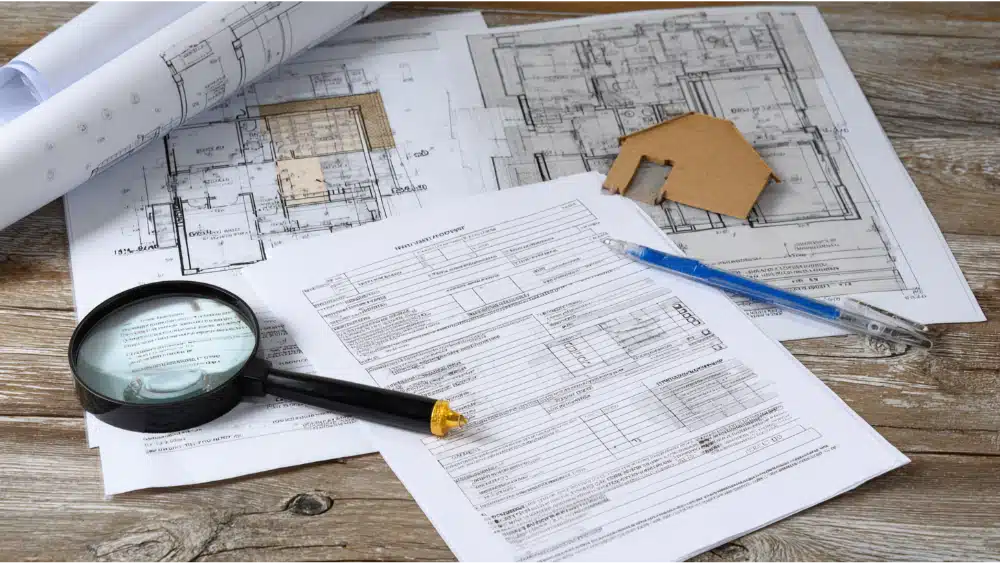
Building permits are generally valid for 6 months (180 days) from the date of issuance or from the last approved inspection. A permit expires if construction does not start within 180 days of issuance, or if work is suspended or abandoned for any 180-day period without a passed inspection. In Florida, the 180-day rule applies statewide under the Florida Building Code, and most municipalities, including Miami-Dade County, enforce it strictly. You can request a single 180-day extension before the permit expires under the South Florida Building Code, but once a permit lapses, renewal requires a more complex process that may involve new plan review, updated code compliance, and additional fees. This guide explains how long building permits last in general, what the specific rules are in Florida and Miami-Dade County, what happens when a permit expires, how to renew or extend one, how long it takes to get a permit in the first place, and why working with a contractor who manages the permit timeline from start to finish protects your project from costly delays.
How Long Do Building Permits Last?
Building permits last approximately 6 months (180 days) from the date of issuance if work has not started, and 1 to 2 years for active projects that maintain regular inspections. The exact timeframe depends on your jurisdiction's policies, whether construction has begun, and the type of permit you hold. Every state and municipality sets its own validity period, but the 180-day standard is the most common across the United States according to PermitFlow.
Three factors determine how long a building permit remains valid. The first factor is your jurisdiction's specific rules. Some cities set a 6-month window while others allow 12 months before expiration. The second factor is whether you have started construction. A permit that has not been activated by starting work expires sooner than one where construction is underway. The third factor is the type of permit. Residential building permits, commercial permits, electrical permits, plumbing permits, and mechanical permits may carry different expiration timelines depending on your local building department's policies. Regardless of the specific timeframe, every permit shares one critical rule: the clock resets with each approved inspection. An approved inspection extends the permit's validity for another 180 days in most jurisdictions, which means a project that maintains regular inspections keeps its permit active throughout the entire construction timeline. This inspection-based reset is the mechanism that keeps long-duration projects legal without requiring permit renewals mid-build.
Do Building Permits Expire in Florida?
Yes, building permits expire in Florida. Under the Florida Building Code, a permit expires and becomes null and void if the work authorized by the permit has not commenced within 180 days from permit issuance, or if the work has been suspended or abandoned at any time for a period of 180 days. The 180-day inactivity window is tracked by inspections. If 180 days pass without a successful inspection, the permit expires automatically. This rule applies to every building permit issued in the state, from single-family residential projects to large-scale commercial construction developments.
Florida law also provides specific protections in certain situations. For 180 days after a declared hurricane, permit fees cannot be increased, and special expedited processes may apply for rebuilding. The 8th Edition of the Florida Building Code, which took effect in 2023, continues to govern most construction in 2026 and includes updated energy efficiency standards, revised wind speed maps, and new requirements for accessory dwelling units (ADUs) according to Alliance Permitting. The statewide 180-day rule establishes the baseline, but individual municipalities within Florida can add their own procedures for extensions, renewals, and enforcement. The rules in Miami-Dade County are especially important for anyone building in South Florida.
How Long Is a Permit Valid for in Florida?
A permit is valid for 180 days in Florida from the date of issuance or from the date of the last approved inspection, whichever is later. Each time an inspector approves a scheduled inspection on your project, the 180-day clock resets. A project that receives an approved inspection every few months can keep the same permit active for the entire duration of construction without needing a renewal or extension. The permit for a single-family dwelling expires 180 days after issuance or the effective date of the next edition of the Florida Building Code, whichever is later, according to the Florida Senate legislative record.
The South Florida Building Code allows a single 180-day extension to be granted as long as the request is submitted before the permit expires, according to the City of South Miami's building department. If you miss that window and the permit lapses, the extension option disappears and you enter the more complex renewal process. This distinction between extension and renewal is critical: an extension is a simple request that adds time to an active permit, while a renewal reopens an expired permit and may require updated plans, new fees, and compliance with any code changes that took effect since the original permit was issued.
What Are the Building Permit Rules in Miami-Dade County?
In Miami-Dade County, building permits expire after 180 days if work has not started or if no approved inspection occurs within a 180-day period. An approved inspection on the master permit or any sub-permits extends the permit for an additional 180 days from the approval date, preventing expiration during active construction, according to Miami-Dade County's building department. Permit applications also expire if they sit without activity for 180 days without being issued. The table below summarizes the key permit timelines in Miami-Dade County based on current county procedures and the South Florida Building Code.
Permit StatusValidity PeriodExtension AvailableWhat Happens at ExpirationIssued, work not started180 days from issuanceOne 180-day extension (before expiration)Permit becomes null and voidIssued, work in progress180 days from last approved inspectionClock resets with each passed inspectionExpires after 180-day gap without inspectionApplication submitted, not yet issued180 days of inactivityOne 90-day extension (before abandonment)Application enters abandoned statusExpired permitNo longer validMust apply for renewal (permit reissue)New plan review, updated code compliance, new fees
Miami-Dade County requires that all review comments be addressed within 10 business days or the permit can be denied, according to JDJ Consulting's 2026 Florida permit guide. This tight response window means that permit holders must stay actively engaged with the building department throughout the review process. Permit extensions in Miami-Dade can be requested through the county's ePermitting portal, and extensions typically add 90 to 180 days of additional time according to Cosmo Management Group. We manage the entire permit process on every project we build, from application through final inspection, because the 180-day clock requires active tracking that most homeowners are not equipped to manage on their own. A custom home builder who manages permits as part of the construction process prevents the expiration problems that create the most expensive delays.
What Happens When a Building Permit Expires?
When a building permit expires, all authorized work must stop immediately, and the permit holder must either renew the permit or apply for a new one before construction can resume. Continuing to work under an expired permit is a code violation that can trigger stop-work orders, daily fines, and re-inspection requirements. The consequences extend beyond the immediate project and can affect the property's resale value, insurance coverage, and title clearance.
An expired permit attaches to the property record, not to the person who pulled it. This means the property owner bears the responsibility for resolving expired permits even if the contractor was the one who failed to maintain inspections. Fines for expired permits vary by municipality, but some Florida counties impose penalties of up to $500 per day until the violation is corrected, according to All Florida Permits. Expired permits also create major problems during property sales. Title companies often refuse to issue clear title on a property with open or expired permits, which can halt a closing entirely. Buyers and their lenders increasingly scrutinize permit history, and unresolved permit issues can lower the appraised value of the property or cause the deal to fall through. Understanding these consequences is what motivates proactive permit management throughout the construction process.
Can You Sell a House With Unpermitted Work in Florida?
Yes, you can sell a house with unpermitted work in Florida, but sellers are legally required to disclose any work done without proper permits, and unresolved permit issues can complicate the closing process significantly. Title companies may refuse to issue clear title until permit issues are resolved. Buyers may demand price reductions to offset the cost of bringing unpermitted work into compliance. Unpermitted square footage may not count toward the official appraised value of the home. In some cases, the building department can require the property owner to obtain an after-the-fact permit, which involves submitting plans, paying fees, and passing inspections on work that was already completed. The cost to close an old permit and correct related issues can range from a few hundred to several thousand dollars according to industry data. Homeowners who plan to sell should resolve any permit issues well before listing the property to avoid last-minute delays.
How Do You Renew or Extend an Expired Building Permit?
You renew or extend a building permit by requesting the extension before the permit expires (for an extension) or by applying for a permit renewal or reissue after the permit has already lapsed. The process differs significantly depending on whether the permit is still active or has already expired. An extension is simpler, faster, and cheaper than a renewal in every jurisdiction.
- Check the permit status. Verify whether your permit is still active or has already expired. In Miami-Dade County, you can check permit status through the county's online permit tracking tool.
- Request an extension before expiration. If the permit is still active, submit an extension request through your local building department's portal. The South Florida Building Code allows a single 180-day extension. Extensions typically require a fee and may require a written explanation for the delay.
- Apply for renewal if the permit has expired. If the permit has already lapsed, you must apply for a permit renewal or reissue. Renewal may require new plan review, especially if building codes have changed since the original permit was issued. Updated drawings, new fees, and compliance with current code editions may be required.
- Schedule remaining inspections. Once the permit is renewed or extended, schedule all remaining inspections to keep the permit active. Each approved inspection resets the 180-day clock.
- Close the permit with a final inspection. A final inspection by the building official results in a certificate of completion (residential) or certificate of occupancy (commercial), which officially closes the permit record.
Expect to pay approximately 50% of the initial permit fee for a renewal if work has not been suspended for more than a year, according to PermitFlow. If the project has been halted for more than a year, you may need to pay the full permit fee again. The renewal process adds weeks or months to the project timeline, which is why preventing expiration through regular inspections is far more cost-effective than dealing with renewal after the fact. Homeowners budgeting for a home addition or renovation should account for permit fees and potential extension costs in their project budget from the start.
How Long Does It Take to Get a Building Permit?
Getting a building permit takes 2 to 8 weeks from application to approval for most residential and commercial projects, depending on the jurisdiction, the complexity of the project, and the building department's current workload. Many Florida cities aim to process permit applications within 30 business days, but complex projects with structural modifications, multiple trade permits, or environmental reviews can take longer. Simple projects like fence permits or minor repairs may receive same-day or over-the-counter approval in some jurisdictions.
The permit processing timeline includes several stages. Plan review, where the building department checks your drawings against the building code, zoning requirements, and structural standards, accounts for the majority of the processing time. If the reviewer identifies issues, they send back comments that the applicant must address and resubmit. In Miami-Dade County, applicants must respond to all review comments within 10 business days or the permit can be denied. Resubmissions add additional review cycles to the timeline. Starting the permit application early is one of the most effective ways to prevent construction delays, because permit processing time adds directly to the total project duration. We submit permit applications during the design phase on every luxury residential project so the approval process runs in parallel with pre-construction planning rather than adding dead time before construction starts.
Why Do Contractors Not Want to Pull Permits?
Some contractors avoid pulling permits to save time, reduce project costs, skip inspection requirements, or hide substandard work from building officials. None of these reasons protect the homeowner. A contractor who suggests skipping permits is transferring all of the legal, financial, and safety risk to the property owner. The permit exists to verify that the work meets the building code, and without it, there is no independent verification that the construction is safe, structurally sound, or compliant with local regulations.
Working without a permit creates serious consequences for the homeowner.
- Insurance denial: Unpermitted work is not covered by homeowners insurance if it causes damage or injury.
- Reduced property value: Unpermitted work does not count toward the official appraised value of the home.
- Title problems: Unpermitted work creates title clearance issues that surface during a sale, refinance, or recertification inspection.
- Contractor restrictions: In some Florida municipalities, having expired permits on record can prevent a contractor from pulling new permits for other projects, according to the City of Miami Gardens.
- Demolition risk: Building departments can require unpermitted work to be torn out and rebuilt under a valid permit with proper inspections.
A home builder who pulls all required permits, manages the inspection schedule, and closes the permit with a final inspection is protecting the homeowner's investment at every stage. Knowing what to look for when hiring a contractor helps you avoid the builders who cut corners on permits.
How Does a Contractor Manage Building Permit Timelines?
A qualified contractor manages building permit timelines by submitting applications during the design phase, tracking approval status, scheduling inspections at every construction milestone, requesting extensions before expiration, and closing the permit with a final inspection. Permit management is not a one-time task. It is an ongoing responsibility that runs from the first application through the final certificate of completion or certificate of occupancy.
The contractor's project manager tracks the 180-day clock and schedules inspections at the appropriate construction milestones: foundation, framing, rough-in (electrical, plumbing, HVAC), insulation, and final. Each approved inspection resets the clock and keeps the permit active. If the project schedule encounters delays from weather, material lead times, or trade availability, the project manager requests a permit extension before the 180-day window closes. This proactive tracking prevents the permit from lapsing and avoids the costly renewal process that an expired permit requires. We manage the complete permit process on every project we build because the 180-day rule demands active oversight that most homeowners cannot provide while living their daily lives. Every luxury home builder project we deliver includes full permit management from application through final certificate of completion. A detailed custom home timeline maps every inspection milestone against the permit validity window so the homeowner has full visibility into the schedule.
Frequently Asked Questions
How Long Does a Building Permit Last Before It Expires?
A building permit lasts approximately 180 days (6 months) before it expires if work has not started or if no approved inspection has occurred within that window. Once construction begins and inspections are passed regularly, the permit stays active because each approved inspection resets the 180-day clock. The exact validity period varies by jurisdiction, but 180 days is the standard in Florida and the most common timeframe nationwide.
What Are the Changes to Florida Building Permits in 2026?
Florida has introduced stricter plan-review timelines for local governments under Section 553.792 (SB 102), which requires building departments to complete reviews within specified timeframes. The 8th Edition of the Florida Building Code continues to govern construction in 2026, with updated energy efficiency standards, revised wind speed maps, and new ADU requirements. Post-hurricane rules provide 180 days of fee protection after declared storms. Individual municipalities continue to set their own enforcement procedures for extensions, renewals, and expired permits within the statewide framework.
What Are the Consequences of Building Without a Permit?
The consequences of building without a permit include stop-work orders, fines of up to $5,000 for hiring unlicensed contractors in Florida, insurance coverage denials for damage caused by unpermitted work, reduced property appraisal values, title clearance problems during property sales, and potential requirements to demolish or redo unpermitted work to meet current code. The property owner bears responsibility for all of these consequences regardless of whether they hired a contractor to do the work.
Can You Get a Permit Extension in Florida?
Yes, you can get a permit extension in Florida. The South Florida Building Code allows a single 180-day extension as long as the request is submitted before the permit expires. Extension requests are submitted through your local building department's portal and typically require a fee and a written explanation for the delay. If the permit has already expired, the extension option is no longer available and you must apply for a permit renewal instead, which is a more involved and expensive process.
How Do You Find the Right Contractor to Manage Permits?
Finding the right contractor to manage permits starts with verifying their state license, confirming they have no expired or unresolved permits on their record with local building departments, and asking specifically how they handle permit applications, inspection scheduling, and extension tracking. A contractor who manages permits proactively as part of their standard process prevents the costly delays that expired permits create. A qualified builder provides full permit management from application through final inspection as part of their scope of work.
Does a Home Addition Require a Separate Building Permit?
Yes, a home addition requires a building permit, and depending on the scope, may also require separate electrical, plumbing, mechanical, and zoning permits. Each permit carries its own 180-day validity window and inspection requirements. The master building permit and each sub-permit must maintain regular inspections to stay active throughout the construction process. A home remodeling project that involves structural changes, new plumbing, or electrical work follows the same permitting requirements as a new addition.
The Takeaway
Building permits are valid for 180 days in most jurisdictions, and in Florida, the 180-day rule is enforced strictly from the date of issuance or the date of the last approved inspection. Each passed inspection resets the clock. Missing that window means the permit expires, and renewal requires new fees, new plan review, and compliance with any code updates that took effect since the original permit was issued. The simplest way to avoid permit expiration is to maintain regular inspections throughout the construction timeline and request an extension before the deadline if delays arise.
At MT Construction Group, we manage the full permit process on every project from application through final inspection, because the 180-day clock demands active oversight that protects our clients from the most expensive and preventable delays in construction. If you are planning a project and want a team that handles permitting as part of the build, call us at 786-882-3877 to start the conversation.




.avif)


.avif)
.avif)
.avif)