
%201.avif)
.avif)

How Much Are Building Permits and What Owners Should Expect?
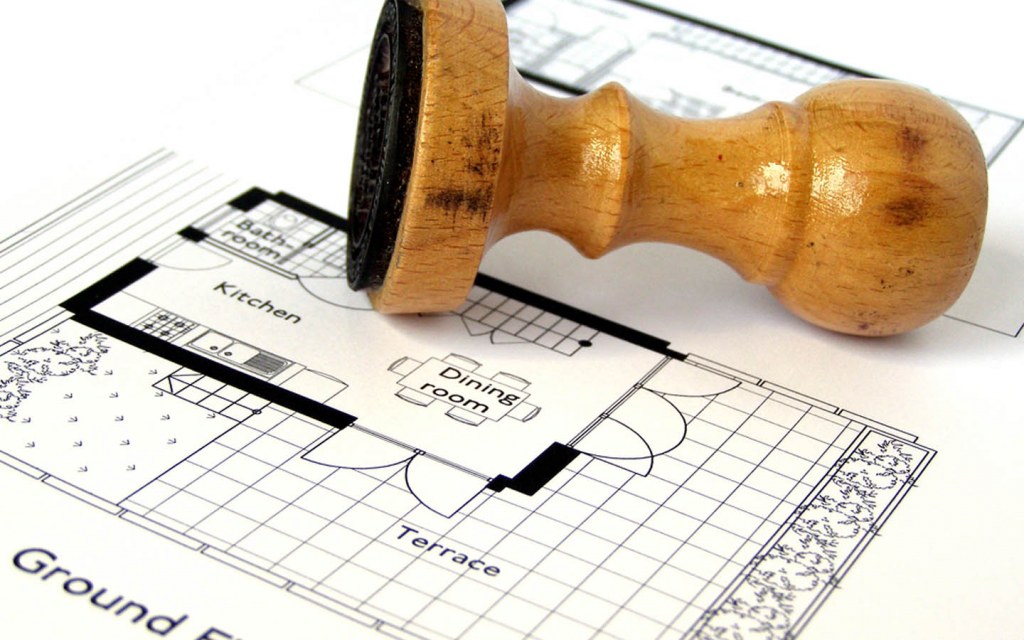
Building permit costs typically range from 0.5% to 2% of total residential construction value, averaging $500 to $2,000 or more for standard remodeling projects. The national average building permit cost in 2026 is $1,688 according to Angi, with most homeowners paying between $525 and $3,114 depending on project type, local jurisdiction, and whether electrical, plumbing, or structural work requires separate approvals. Minor trade work like an A/C swap or water heater replacement costs $100 to $400 in permit fees. A kitchen or bathroom remodel costs $400 to $1,500 including trade sub-permits. A major addition or pool costs $1,500 to $5,000 or more. A luxury remodeling project that involves structural changes, new plumbing, and electrical work will fall at the higher end of these ranges because each system requires its own permit and inspection sequence. A new single-family home costs $8,000 to $20,000 or more across all permit and impact fees. Most municipal authorities calculate permit fees as a base processing fee plus a percentage of the estimated construction valuation. This guide breaks down what building permits cost by project type, how fees are calculated, what the specific costs are in Miami-Dade County, what hidden costs catch owners off guard, and how a qualified contractor handles permits so the owner's budget stays protected.
How Much Do Building Permits Cost by Project Type?
Building permits cost $50 to $300 for small jobs like plumbing and electrical work, $500 to $2,000 for construction, remodeling, and room additions, and $1,000 to $3,000 or more for new home construction according to HomeGuide. The cost varies by project type because different projects require different levels of plan review, different numbers of trade permits, and different inspection sequences. A simple roof replacement requires one building permit and a handful of inspections. A full kitchen remodel requires a building permit plus separate electrical, plumbing, and possibly mechanical permits, each with its own fee and inspection schedule.
The table below shows typical 2026 permit fee ranges by project type, compiled from data published by Angi, HomeGuide, CoreGrp, and the PermitFlow Miami building permit guide. These ranges represent the permit fees alone and do not include the cost of architectural drawings, engineering, or the construction itself.
Project TypePermit Fee RangeTypical Permits RequiredWater Heater, A/C Changeout, Electrical Panel$100 - $400Single trade permitFence, Driveway, or Shed$100 - $500Building permitRoof Replacement$250 - $900Building permit (roofing)Kitchen or Bathroom Remodel$400 - $1,500Building + electrical + plumbing sub-permitsHome Addition or Pool$1,500 - $5,000+Building + trade permits + impact feesNew Single-Family Home$8,000 - $20,000+Building + all trades + impact + zoningMajor Commercial Project$15,000 - $75,000+Building + all trades + fire + environmental
The gap between a $400 kitchen permit and a $20,000 new-home permit reflects the number of separate permits, plan reviews, and inspections each project requires. A new home needs a master building permit, separate electrical, plumbing, and mechanical permits, zoning review, impact fees, and potentially environmental or fire safety reviews. Each layer adds to the total. Homeowners planning a home addition should account for permit fees as a line item in the project budget alongside construction costs, design fees, and contingency. The fee you pay depends on how your local building department calculates permit costs.
How Are Building Permit Fees Calculated?
Building permit fees are calculated using one of three methods: a percentage of the total construction valuation, a flat rate by project type, or a per-square-foot rate based on the project's size. Over 65% of U.S. municipalities use the International Code Council (ICC) Building Valuation Data tables as their fee basis according to ConstructionBids.ai. The ICC publishes updated valuation data every February and August, assigning per-square-foot construction values based on building type and construction classification. The February 2026 update incorporated a 4.2% increase over the August 2025 tables, driven primarily by rising labor costs.
The valuation-based method works by multiplying the project's construction value (labor plus materials) by the jurisdiction's fee percentage, then adding plan review surcharges, state surcharges, and any applicable impact fees. Most jurisdictions apply a sliding scale where the fee percentage decreases as the project value increases. A $50,000 remodel might carry a 1.5% fee rate, while a $500,000 new home might carry a 1% rate. Plan review fees add 50% to 65% on top of the base permit fee in most jurisdictions according to ConstructionBids.ai. When a contractor's stated project cost falls below the ICC valuation for that building type, the building department uses the ICC figure instead, which can produce higher permit fees than the contractor anticipated.
The National Association of Home Builders (NAHB) reported in 2025 that building permit fees alone have doubled from 0.9% to 1.8% of total construction costs since 1998. That increase represents the narrowest slice of the total regulatory cost stack, which NAHB calculates at 5.3% in fees and 24.3% in total regulatory burden. For owners building in high-cost jurisdictions, permit fees represent a significant line item that must be budgeted accurately before construction begins. The calculation method your jurisdiction uses determines the actual number, and in Miami-Dade County, the formula produces costs that every South Florida project owner should plan for.
What Is the Permit Fee for Building in Miami-Dade County?
The permit fee for building in Miami-Dade County is calculated as a percentage of the declared construction value, with total permit-related fees typically running 1.5% to 3% of the project's construction value for residential work according to CoreGrp's 2026 Miami permit cost guide. The exact cost depends on which jurisdiction within Miami-Dade processes the permit (City of Miami, Miami Beach, Hialeah, Doral, or unincorporated Miami-Dade County), the type of work, and the declared construction value.
On top of the base permit fee, Miami-Dade projects include several additional line items. An upfront application fee of $100 to $400 is paid at submission and typically credited toward the final fee. Plan review fees are charged separately for each discipline that reviews the drawings: structural, electrical, plumbing, mechanical, and zoning. Florida state surcharges (DBPR and DCA) add small percentage surcharges to every permit. Certificate of Completion (residential) or Certificate of Occupancy (commercial) fees apply at the end of the project. Impact fees for new construction and additions that add living area can add thousands of dollars on top of the permit fee itself. The City of Miami publishes its complete fee schedule through the Building Department, and each municipality within the county maintains its own version.
A custom home builder working in Miami-Dade includes permit fees in the pre-construction budget so the owner sees the full regulatory cost before construction starts. We calculate the exact permit fees for the specific jurisdiction where the project is located during the pre-construction phase because fees vary enough between cities within the county to affect the project budget meaningfully. Understanding the base fees is the first step, but the costs that catch most owners off guard are the ones that do not appear on the standard fee schedule.
What Hidden Costs Should Owners Expect With Building Permits?
The hidden costs owners should expect with building permits are plan revision fees from rejected submissions, expired permit renewal fees, after-the-fact permit penalties for unpermitted work, and the cost of architectural drawings and engineering that the permit application requires. The city's permit fee is only one piece of what it actually costs to get a project approved. A realistic permitting budget includes several costs beyond the fee schedule.
- Architectural drawings and engineering. Signed and sealed plans are required for most structural work in Florida. Architectural design fees run 5% to 20% of the total project cost, or $2,400 to $14,000 for a residential project according to Angi.
- Plan revision fees. First submissions rarely pass every discipline on the first review cycle. Each resubmission can carry a revision fee, and each revision cycle adds weeks to the timeline. Clean, permit-ready construction documents are the most effective way to keep review cycles and their costs down.
- Expired permit renewal fees. A permit that lapses after 180 days of inactivity requires renewal fees, and if building code editions changed since issuance, updated plans may be required. Letting a permit expire is one of the quietest ways a project's permit budget doubles.
- After-the-fact permit penalties. Work done without a permit triggers penalties of double to quadruple the normal permit fee in most Miami-Dade jurisdictions according to CoreGrp, plus the cost of as-built drawings by a licensed architect and any corrections needed to bring the work up to current code.
- Impact fees. New construction and additions that add living area trigger county and municipal impact fees that are separate from the permit fee itself and can add thousands of dollars to the total.
- Product approvals. Windows, doors, and roofing in Miami-Dade's High-Velocity Hurricane Zone require Miami-Dade Notices of Acceptance (NOAs), which must be submitted as part of the permit application.
These additional costs explain why the total permitting budget for a project in Miami-Dade is significantly higher than the permit fee alone. A home addition that carries $2,000 in permit fees may require $5,000 to $10,000 or more in total permitting costs when architectural drawings, engineering, plan review cycles, and impact fees are included. Accounting for these costs upfront prevents the budget surprises that derail projects mid-build. The next question most owners ask is who actually handles the permit process.
How Much Does a Contractor Charge to Pull a Permit?
Most licensed contractors include permit fees directly in their project bids rather than charging a separate fee to pull the permit. The permit fee itself goes to the building department, not to the contractor. Construction companies typically handle the permit application, plan submissions, revision responses, and inspection scheduling as part of their standard scope of work. The contractor's overhead and management cost for handling the permit process is built into the project price, not itemized separately.
Some permit expediting firms charge a separate fee specifically for managing the permit application and approval process. Expediting fees vary by project complexity and jurisdiction, but the service typically pays for itself through fewer revision cycles and shorter approval timelines. Reputable, licensed contractors pull permits as a standard part of every project because the permit protects both the homeowner and the contractor. Knowing the right questions to ask during the vetting process helps you identify contractors who handle permits properly from ones who cut corners. We manage the full permit process on every luxury residential and commercial construction project we build, from application through final inspection, because the permit is not a formality. It is the legal framework that protects the owner's investment.
What Is the Biggest You Can Build Without a Permit?
The biggest you can build without a permit varies by jurisdiction, but most Florida municipalities require permits for any construction, alteration, or repair that exceeds a minimal threshold. Under recent Florida rules like HB 809, minor residential repairs under $7,500 may not require a permit, except for structural, electrical, plumbing, or mechanical work, which always requires a permit regardless of cost. Small structures like storage sheds under 100 to 200 square feet may be exempt from building permits in some jurisdictions, but they must still comply with zoning setbacks and lot coverage limits.
The exemption thresholds vary by city and county, so checking with your local building department before starting any project is the safest approach. Working without a permit when one is required triggers penalties that far exceed the cost of the permit itself. Starting work before obtaining a permit can double or quadruple the standard permit fees and trigger stop-work orders according to data from HomeAdvisor. A luxury home builder verifies the permit requirements for every scope of work before construction begins because the cost of compliance is always lower than the cost of correction.
How Long Does It Take to Get a Building Permit?
Getting a building permit takes 2 to 8 weeks from application to approval for most residential and commercial projects, depending on the jurisdiction, project complexity, and the building department's current workload. Many Florida cities aim to process permit applications within 30 business days. Simple trade permits for plumbing, electrical, or HVAC work can often be issued the same day or within a few days. Complex projects requiring structural review, zoning analysis, and multiple trade permits take longer because each discipline reviews the plans independently.
In Miami-Dade County, applicants must respond to all plan review comments within 10 business days or the permit application can be denied. Each revision cycle adds another review period to the timeline. The most effective way to reduce the processing time is to submit complete, accurate, permit-ready construction documents on the first submission. Plans that pass review on the first cycle eliminate the revision delays that account for the majority of extended processing times. We submit permit applications during the design phase on every project so the approval process runs in parallel with pre-construction planning. A detailed custom home timeline maps the permit processing window against the construction schedule so the owner sees exactly how permitting affects the overall project duration.
How to Calculate Building Permit Cost for Your Project
You calculate building permit cost for your project by multiplying the estimated construction value (labor plus materials) by your jurisdiction's permit fee percentage, then adding plan review fees, state surcharges, and any applicable impact fees. The step-by-step process below produces a realistic permit cost estimate before you submit the application.
- Determine the construction value. Add the total cost of labor and materials for the project. Your contractor's bid or your architect's cost estimate provides this number. If the ICC Building Valuation Data table produces a higher figure, the building department will use the ICC value instead.
- Apply the jurisdiction's base fee rate. Check your local building department's fee schedule for the percentage applied to your construction value. In Miami-Dade, plan for 1.5% to 3% of construction value for total permit-related fees.
- Add plan review fees. Plan review adds 50% to 65% of the base permit fee in most jurisdictions. If your base permit fee is $1,000, plan review adds $500 to $650.
- Add state surcharges. Florida adds DBPR and DCA surcharges to every permit, typically a small percentage of the base fee.
- Add trade sub-permit fees. Separate electrical, plumbing, and mechanical permits each carry their own fee, typically $100 to $400 per trade permit.
- Add impact fees if applicable. New construction and additions that add living area trigger impact fees that vary by municipality and can add thousands to the total.
- Add a 10% to 15% buffer. Revision cycles, additional inspections, and fee adjustments can increase the total beyond the initial calculation.
For a $200,000 kitchen and bathroom renovation in Miami-Dade, the calculation produces approximately $3,000 to $6,000 in total permit-related fees using the 1.5% to 3% range. For a $500,000 luxury home build, the total runs $7,500 to $15,000 or more before impact fees. We calculate the exact permit costs for each project during pre-construction and include them in the project budget so the owner sees the full regulatory cost before any commitment is made. Homeowners evaluating contractors should confirm that their builder includes permit fees in the project bid rather than treating them as an unexpected add-on after the contract is signed.
Frequently Asked Questions
How to Calculate Building Permit Cost?
You calculate building permit cost by multiplying your project's construction value by your local building department's fee percentage, then adding plan review fees, state surcharges, trade sub-permit fees, and impact fees where applicable. Most jurisdictions publish their fee schedule online. In Miami-Dade County, total permit-related fees typically run 1.5% to 3% of the declared construction value for residential projects.
Do Permit Fees Include Inspection Costs?
Yes, permit fees typically include the cost of standard inspections required throughout the construction process. Foundation, framing, rough-in, insulation, and final inspections are covered by the building permit fee. Re-inspection fees apply if work fails an inspection and requires a return visit. Re-inspection fees vary by jurisdiction but typically cost $50 to $200 per visit.
Are Permit Fees Tax Deductible?
Permit fees for a personal residence are generally not tax deductible as a standalone expense, but they are added to the cost basis of the property, which reduces capital gains tax when you sell. Permit fees for rental properties and commercial buildings are deductible as a business expense in the year they are paid. Consult a tax professional for advice specific to your situation.
Can I Get a Permit Fee Refund If My Project Is Canceled?
Refund policies vary by jurisdiction. Some building departments offer partial refunds if the permit has been issued but no inspections have been conducted. Others do not provide refunds once the permit is issued. Application fees and plan review fees are generally non-refundable because the review work has already been performed. Check with your local building department for their specific refund policy before applying.
What Happens If You Start Work Before Getting a Permit?
Starting work before getting a permit can double or quadruple the standard permit fees as an after-the-fact penalty, trigger stop-work orders that halt construction immediately, and result in additional fines for code violations. In some Miami-Dade jurisdictions, after-the-fact penalties run 2x to 4x the normal permit fee plus the cost of as-built drawings and any corrections needed to bring the work up to current code. The cost of obtaining the permit properly is always lower than the cost of correcting the violation after the fact.
How Do You Find the Right Contractor to Handle Permits?
Finding the right contractor to handle permits starts with verifying their state license, confirming they have no unresolved permit issues with local building departments, and asking specifically how they manage permit applications, plan review responses, and inspection scheduling. A qualified builder includes permit fees in the project bid, manages the full application and approval process, and closes the permit with a final inspection as part of their standard scope of work.
The Takeaway
Building permit costs range from a few hundred dollars for minor trade work to $20,000 or more for new home construction, and the total permitting budget in Miami-Dade County typically runs 1.5% to 3% of the declared construction value before impact fees. The permit fee itself is only one component of the total cost. Plan review fees, state surcharges, trade sub-permits, impact fees, and the cost of producing permit-ready architectural drawings all add to the total. Hidden costs like plan revision fees, expired permit renewals, and after-the-fact penalties for unpermitted work can double or triple the permitting budget when the process is not managed proactively.
At MT Construction Group, we calculate the exact permit costs for every project during pre-construction and include them in the project budget so our clients see the full regulatory cost before any work begins. If you are planning a project and want a clear picture of what the permits will cost, call us at 786-882-3877 to start the conversation.




.avif)


.avif)
.avif)
.avif)